When people search for the types of massage, they are usually asking one simple question: Which massage is best for me? Some want to relax. Some want relief from muscle pain. Some want better recovery after exercise. Others just want a calm break from a busy week. Massage therapy covers many techniques, and each one feels different. Health sources like NCCIH and Mayo Clinic describe massage as work on the body’s soft tissues that may help with stress, relaxation, pain, and muscle tightness, but they also note that the right style depends on your needs and comfort level.
At Aphrodite Beauty & Spa, massage is part of a wider beauty and relaxation experience, which makes this topic even more useful for readers who want to understand what each treatment actually does before booking. The brand itself presents massage and relaxation as one of its core service categories.
Why understanding the types of massage matters
Not every massage is the same. A gentle massage made for relaxation will feel very different from a treatment focused on tight muscles, swelling, or sports recovery. Some types use long flowing strokes. Others use deeper pressure. Some include stretching, pressure points, or even warm stones. NCCIH notes that massage therapy includes many techniques, with Swedish massage being the most common Western style, while other approaches include sports massage and Eastern-derived methods such as Shiatsu.
That is why learning the main types of massage can save time and help people choose better. Instead of picking a random service name, readers can choose a massage that matches how their body feels today.
1. Swedish Massage
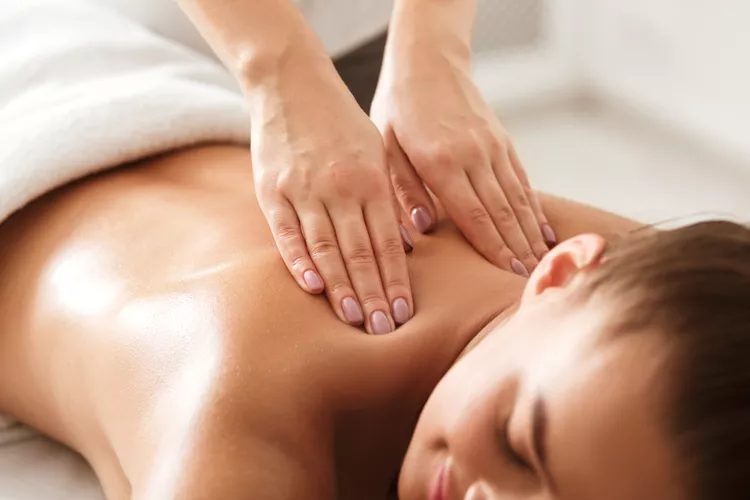
Swedish massage is one of the most popular and beginner-friendly massage styles. It usually includes long, gliding strokes, gentle kneading, and smooth movements across the body. Cleveland Clinic describes it as a classic full-body massage that uses a gentle touch and is a good choice for people who are new to massage.
This massage is best for people who feel stressed, mentally tired, or physically tense but do not want very strong pressure. It is often chosen by people who simply want to relax and feel lighter afterward. Swedish massage can also help create a calm emotional state, which may lower the feeling of tight muscles.
Best for: first-time clients, stress relief, light body tension, general relaxation
2. Deep Tissue Massage
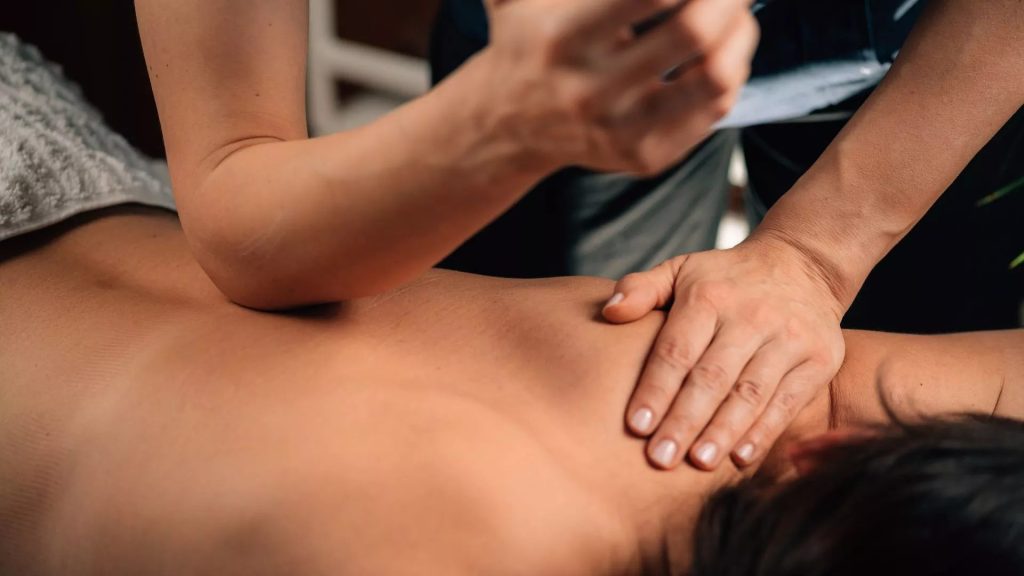
Deep tissue massage uses firmer, slower pressure than Swedish massage. The goal is to work deeper into the muscles and connective tissue, especially in areas that feel tight, heavy, or sore. According to the Cleveland Clinic, deep tissue massage is often chosen for injuries, general muscle tightness, and chronic muscle pain.
This does not mean it should feel unbearable. A deep tissue massage may feel intense, but it should still feel controlled and purposeful. It is often a good option for people who sit for long hours, work at a desk, drive a lot, or carry tension in the neck, shoulders, and lower back.
Best for: chronic muscle tightness, stubborn knots, back and shoulder tension, people who prefer stronger pressure
3. Hot Stone Massage
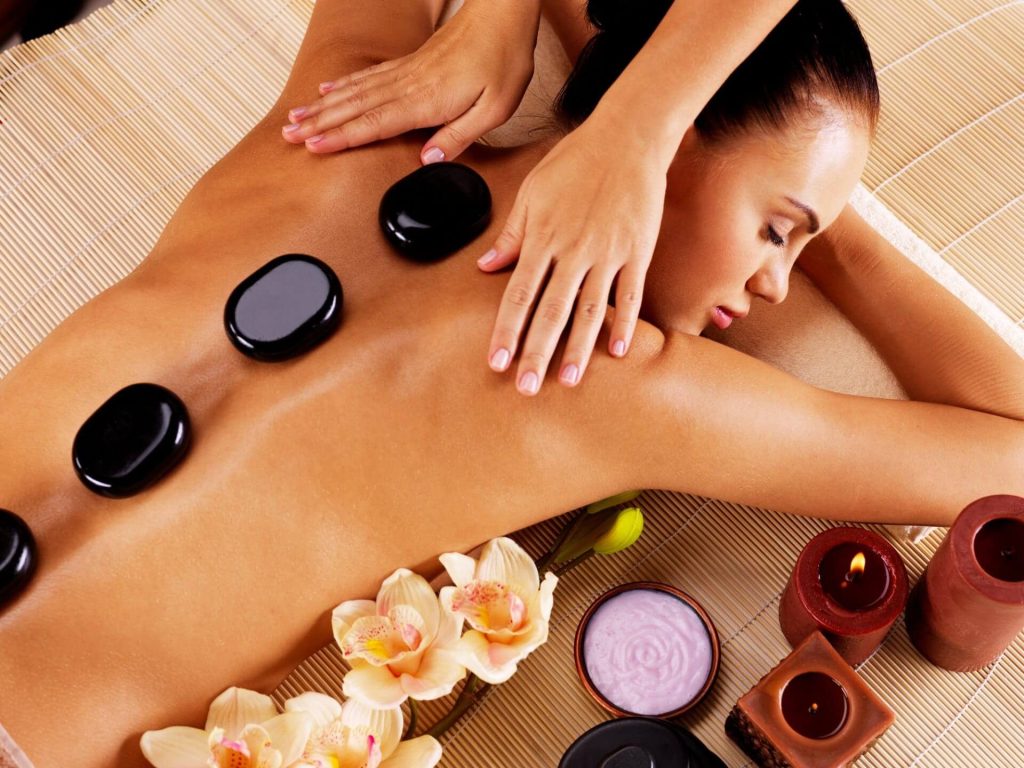
Hot stone massage combines massage techniques with smooth, heated stones placed on specific parts of the body or used during the treatment. WebMD describes hot stone massage as a style in which smooth hot stones are placed on the body to provide heat therapy during the massage.
The heat helps the body feel calm and may make it easier for tight muscles to loosen without very deep pressure. That is why hot stone massage is often loved by people who want a relaxing treatment but still want help with stiffness. It feels warm, soothing, and slow, which makes it a common spa favourite.
Best for: deep relaxation, mild muscle stiffness, people who enjoy warmth during treatment
4. Aromatherapy Massage
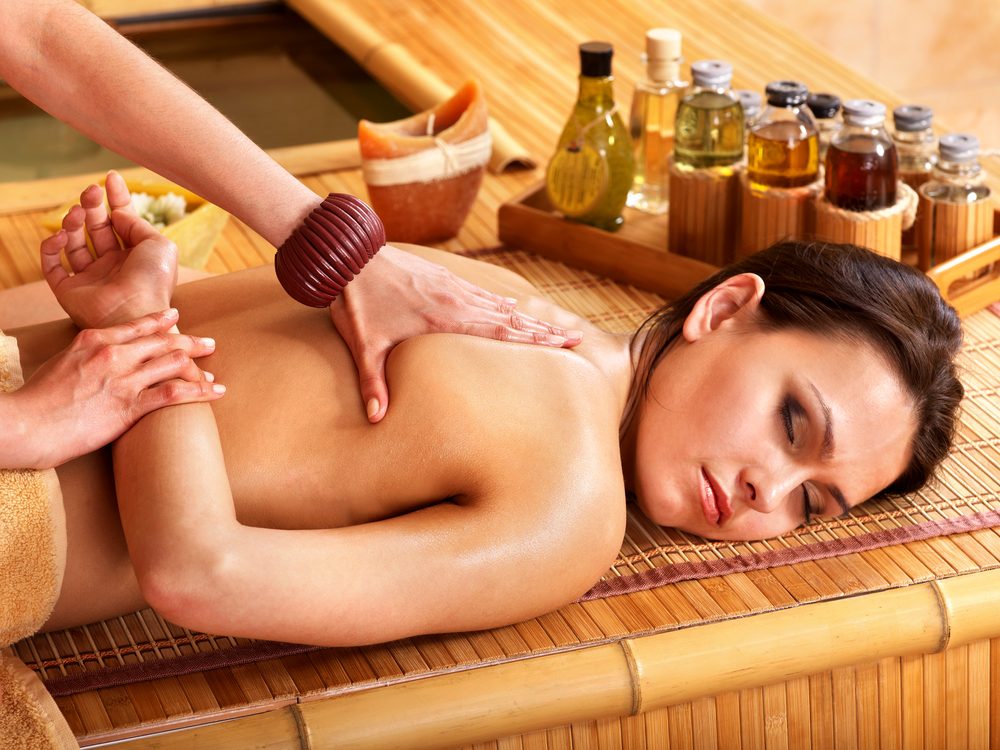
Aromatherapy massage combines massage with essential oils selected for their scent and mood effect. Cleveland Clinic explains that aromatherapy uses essential oils to support well-being. At the same time, Mayo Clinic notes that aromatherapy often works through the sense of smell and how scent connects with emotions.
In simple words, this message is about more than pressure. It adds a sensory layer to the experience. Lavender may feel calming. Citrus scents may feel fresh and uplifting. A therapist may use oils that match the goal of the session, such as relaxation or a peaceful mood. It is important to remember that aromatherapy is not a cure for illness, but many people enjoy it as part of a wellness experience.
Best for: stress relief, mental relaxation, people who enjoy calming scents and a spa-like experience.
5. Thai Massage
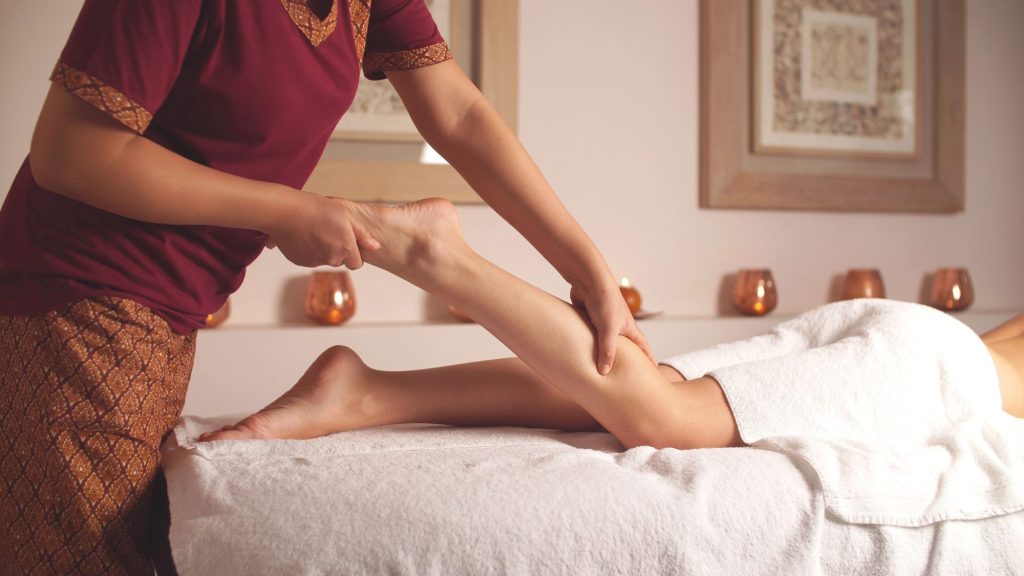
Thai massage is very different from a classic oil massage. It often involves stretching, assisted movement, and yoga-like positions. Cleveland Clinic describes Thai massage as a more active form of bodywork that focuses on stretching and yoga poses rather than traditional rubbing and kneading.
This means you may move more during the session than you would during a Swedish massage. Some people love Thai massage because it makes the body feel more open, mobile, and refreshed. Others prefer softer styles because Thai massage feels more active. It can be a great option for people who feel stiff and want to improve flexibility.
Best for: body stiffness, flexibility, people who like stretching and active bodywork
6. Shiatsu Massage
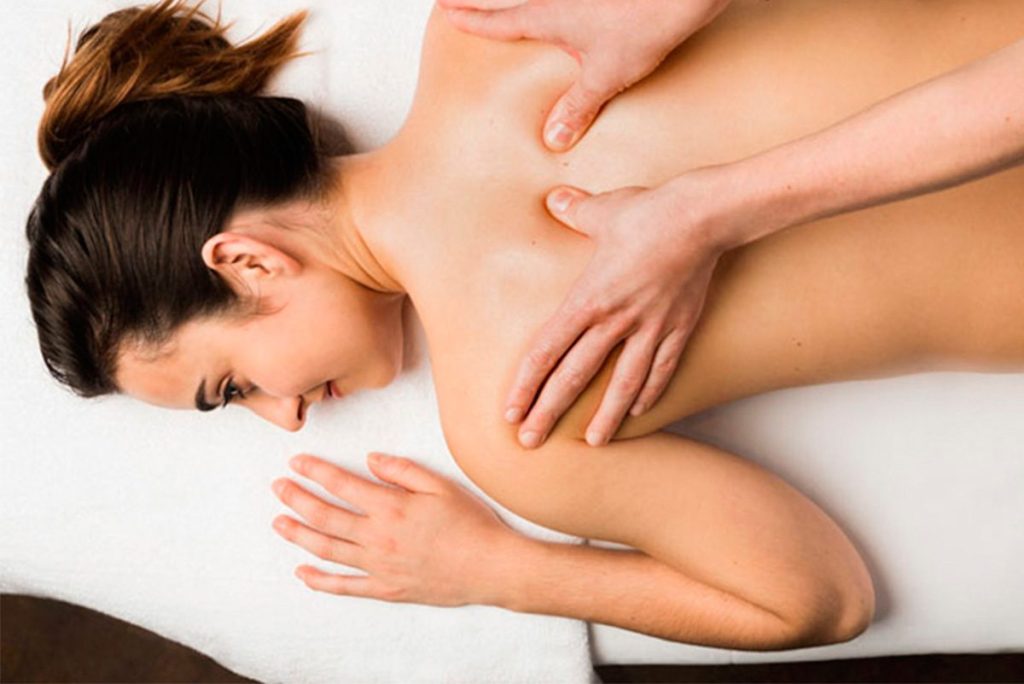
Shiatsu is a Japanese massage style that is often described as “finger pressure.” NCCIH lists Shiatsu among massage traditions derived from Eastern cultures, and other health references describe it as a method that uses pressure on points across the body, usually without oils.
A Shiatsu session often feels focused and steady rather than oily or slippery. The therapist may use fingers, palms, or thumbs to press certain areas and help the body feel more balanced. Some people choose Shiatsu when they want a treatment that feels grounding and precise instead of soft and flowing.
Best for: pressure-point work, tension relief, people who prefer dry massage over oil massage
7. Sports Massage
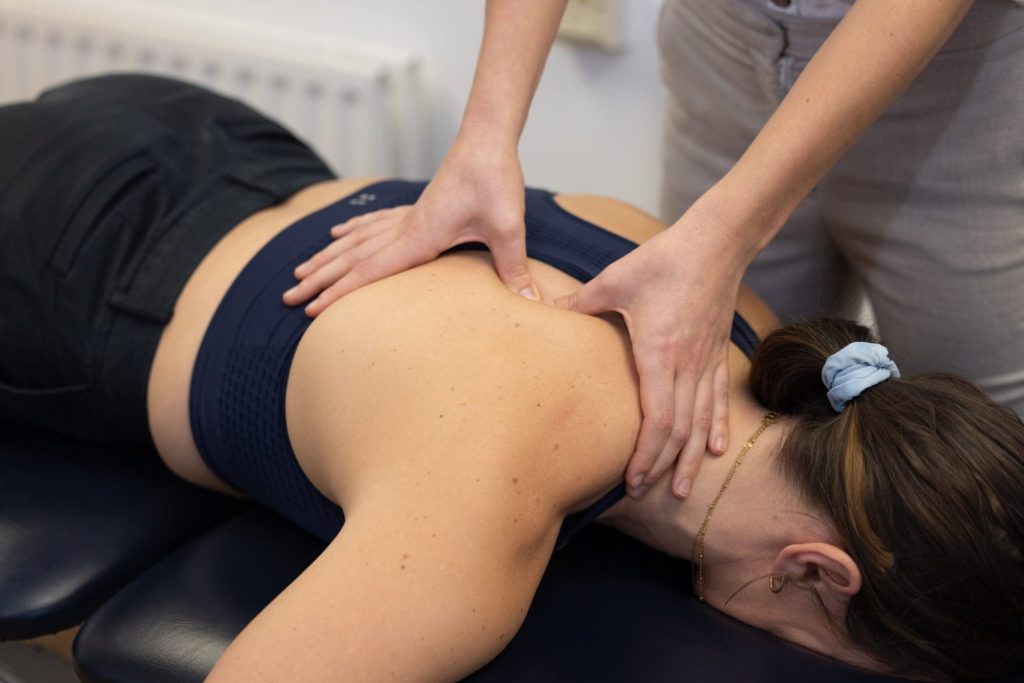
Sports massage is not only for professional athletes. It is for anyone whose muscles are affected by exercise, training, or repeated physical movement. Cleveland Clinic explains that sports massage is similar to deep tissue massage but focuses more on the muscles used in sports and repetitive activity.
This massage can be used before exercise, after exercise, or during recovery periods. It often targets specific muscle groups instead of the whole body. For example, runners may focus on the legs, while gym-goers may want to work around the shoulders or back. It is a smart choice for active people who want better recovery and less muscle tightness.
Best for: active lifestyles, workout recovery, muscle fatigue, repetitive movement tension
8. Reflexology
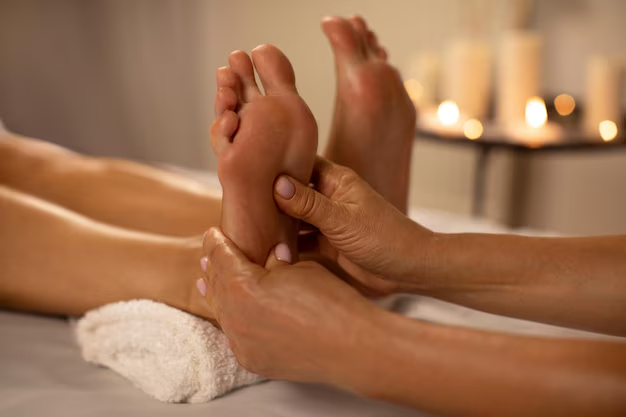
Reflexology is often focused on the feet, though some versions may also include the hands or ears. Cleveland Clinic explains that reflexology uses pressure on specific areas of the foot based on where discomfort is felt in the body. The same source also notes that there is no strong evidence that reflexology does more than a traditional foot massage, but many people still find it relaxing.
This is one reason reflexology remains popular. Even when people choose it mainly for comfort and relaxation, they often enjoy the focused footwork and the calming feeling it brings. If someone loves foot massages, reflexology may feel especially satisfying.
Best for: tired feet, stress relief, people who enjoy focused foot massage
9. Prenatal Massage
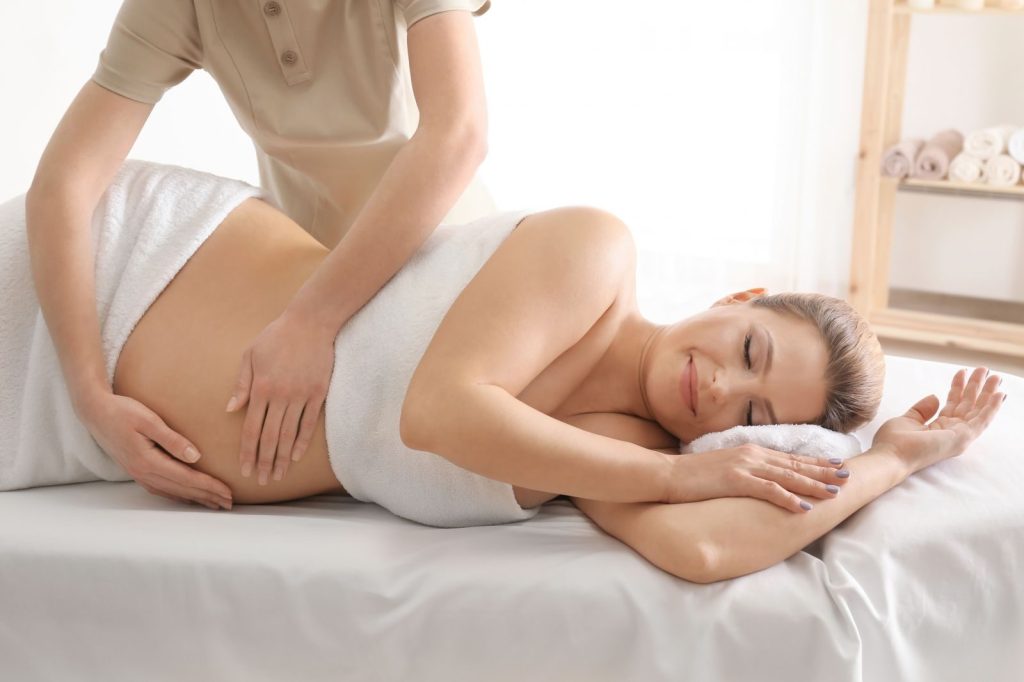
Prenatal massage is designed for pregnant women and is adjusted for comfort and safety. Cleveland Clinic notes that prenatal massage can help take pressure off the hips, ease swelling in the feet and legs, and support relaxation. It also says risks are minimal for most healthy pregnancies when done by a licensed massage therapist, especially after the first trimester.
This massage is not the same as a regular massage with a different name. Proper positioning, safe pressure, and pregnancy-aware technique matter. That is why prenatal massage should always be done by someone trained in it, and medical guidance is wise if there are pregnancy complications or special health concerns.
Best for: pregnancy discomfort, hip pressure, swollen feet and legs, relaxation during pregnancy
10. Lymphatic Drainage Massage
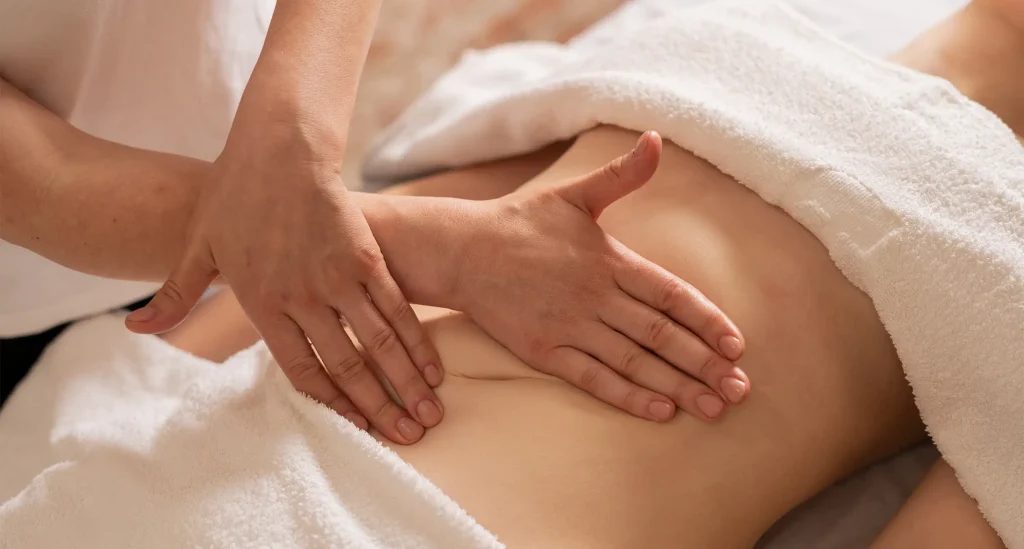
Lymphatic drainage massage uses very light, careful movements to support the flow of lymph fluid in the body. Cleveland Clinic explains that this type of massage is mainly used to help reduce swelling related to lymphedema or a blocked lymphatic system, and that it is much gentler than deep tissue massage.
Because it is so light, some people are surprised by how different it feels from a regular spa massage. This is not the right choice for someone who wants strong pressure on tight muscles. It is better for people dealing with swelling, fluid buildup, or post-treatment discomfort where a healthcare provider or trained specialist has recommended it. Cleveland Clinic also notes that it is not right for everyone and should be avoided in some medical situations.
Best for: swelling, fluid retention, post-surgical care when professionally advised, very gentle bodywork
11. Trigger Point Massage
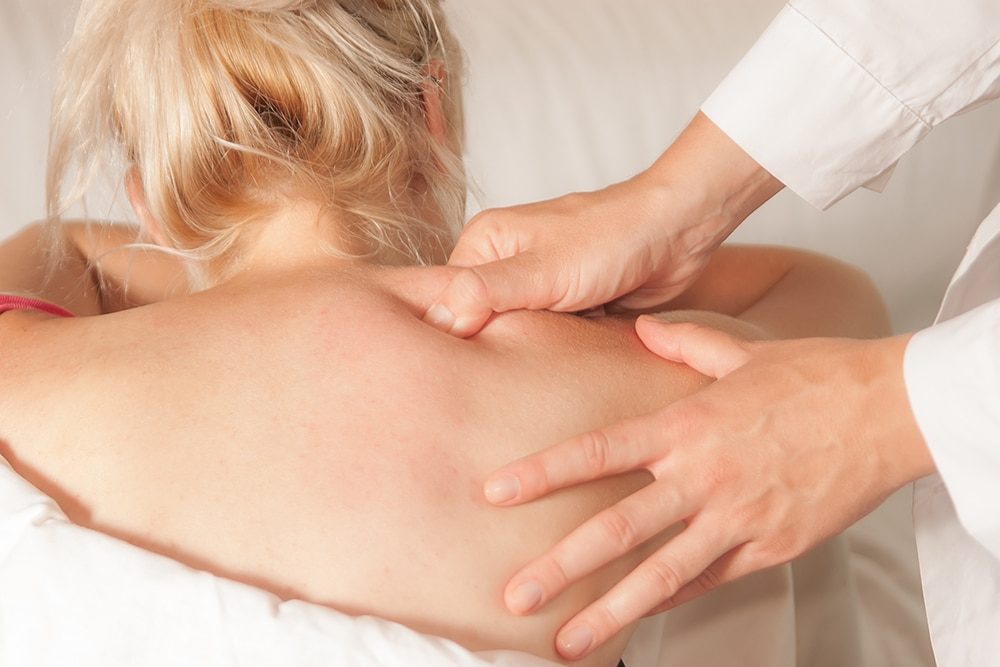
Trigger point massage focuses on tight spots, often called knots, that may cause pain in one area or send pain into another area. Cleveland Clinic describes a trigger point as a tiny muscle spasm or tight spot in the tissue and says that focused pressure may help the area release.
This massage is usually more targeted than a full relaxation massage. Instead of working the whole body with the same rhythm, the therapist pays special attention to a few problem areas. People with neck knots, upper back tightness, shoulder pain, or repetitive tension often choose trigger point massage because it is direct and specific.
Best for: muscle knots, neck and shoulder tension, local pain, focused treatment
12. Myofascial Release Massage
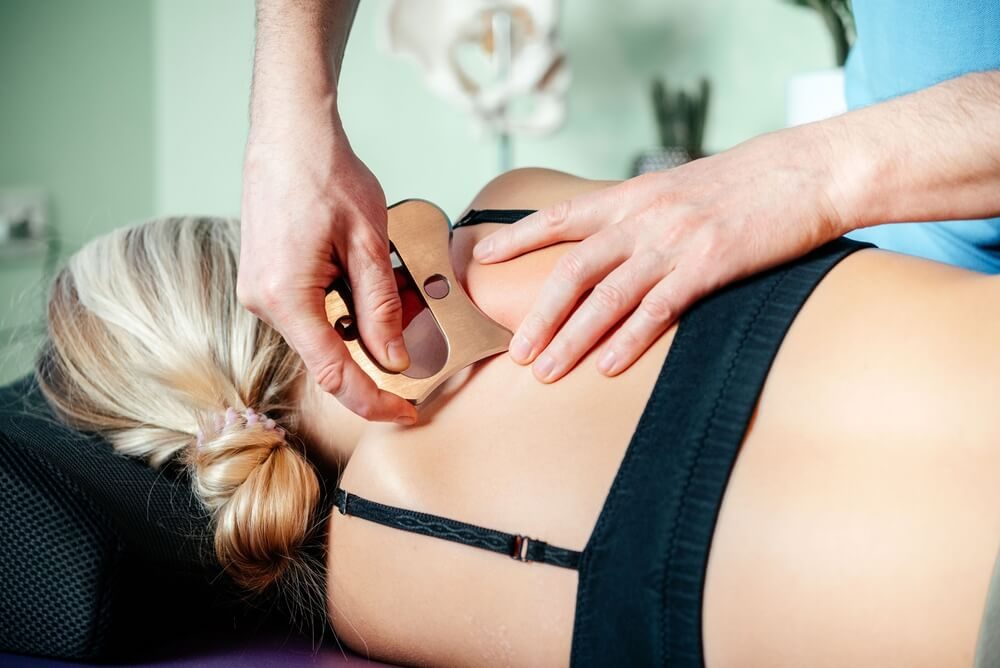
Myofascial release works on the fascia, which is the web of connective tissue under the skin that supports muscles and movement. Cleveland Clinic explains that this approach includes kneading and stretching the muscles and fascia to reduce tightness and improve motion.
This massage often feels slower and more deliberate than a standard relaxation massage. It may not always use heavy pressure, but it can still feel very effective because it focuses on releasing restrictions in the body’s connective tissue. People who feel stiff in the neck, shoulders, upper back, or hips may enjoy this style, especially if normal massage has not fully helped.
Best for: stiffness, limited movement, body tightness, neck and shoulder restriction
How to choose the right massage for your needs
The easiest way to choose between the different types of massage is to start with your goal.
If the main goal is to relax, Swedish massage, hot stone massage, or aromatherapy massage are usually the easiest choices. These styles are soft, calming, and great for stress.
If the goal is to work on pain, knots, or long-term muscle tension, deep tissue massage, trigger point massage, or myofascial release may be better. These options are more focused and often feel more therapeutic. Cleveland Clinic notes that deep tissue, trigger point, and myofascial approaches are commonly used for tight muscles and specific problem areas.
If the body feels stiff and restricted, Thai massage may be a better fit because it includes stretching and movement. If the body feels tired from training or physical activity, sports massage usually makes more sense.
If pregnancy or swelling is part of the reason for booking, do not choose based on pressure alone. Prenatal massage and lymphatic drainage massage are more specialized and should be selected for the right reason, with the right therapist, and sometimes with medical advice first.
For readers exploring services at Aphrodite Beauty & Spa, this kind of simple understanding makes the booking process easier. Instead of asking for the most popular option, it becomes easier to ask for the massage that truly matches the body’s needs.
Which massage is best for beginners?
For most beginners, Swedish massage is the best place to start because it uses a gentler touch and offers full-body relaxation. Cleveland Clinic specifically calls it a good option for people new to massages.
Which massage is best for stress?
If stress is the main issue, Swedish massage, hot stone massage, and aromatherapy massage are some of the best choices. These styles are usually chosen for calm, comfort, and a peaceful experience. Massage in general may help reduce stress and increase relaxation.
Which massage is best for muscle knots?
Trigger point massage and deep tissue massage are often the best choices for muscle knots and strong tension because they focus more directly on problem areas and deeper muscle tightness
Is Thai massage the same as regular massage?
No. Thai massage is more active and often includes stretching and assisted movement, while classic massage styles like Swedish usually focus on strokes, kneading, and table-based relaxation.
Is prenatal massage safe?
Prenatal massage is often safe for most healthy pregnancies when done by a licensed therapist trained in prenatal care, especially after the first trimester, but medical advice is important if there are health concerns or pregnancy complications.
What are the different types of massage and how do I choose the right one?
There are many types of massage, including Swedish massage for relaxation, deep tissue massage for muscle pain, hot stone massage for warmth and comfort, Thai massage for stretching, sports massage for recovery, and prenatal massage for pregnancy care.