Table of Contents
The night before an event, it’s usually the small things that start to feel big—your outfit is ready, your hair plan is set… and then you notice your nails. If the idea of traffic, parking, and waiting rooms makes you sigh, nail extensions at home can feel like a quiet little rescue.
If you’re also comparing salon options, this guide pairs well with this roundup of nail salons in Abu Dhabi and what to look for—especially if you’re deciding between in-salon and home service nail extensions.
This post is here for the “I want pretty nails and peace of mind” crowd: clear types, realistic prices, and the safety checks that help you avoid regret.
Quick map (so you don’t overthink)
- Types: gel nail extensions, acrylic nail extensions, polygel nail extensions, plus nail tips extension (the base method behind many sets)
- Pricing: what impacts nail extension cost in Abu Dhabi (length, design, refill, removal)
- Safety: what a clean, careful nail technician at home should do every time
- Choosing well: questions that filter out rushed, risky work
Nail extension price in Abu Dhabi: what you’ll really pay (home vs salon)
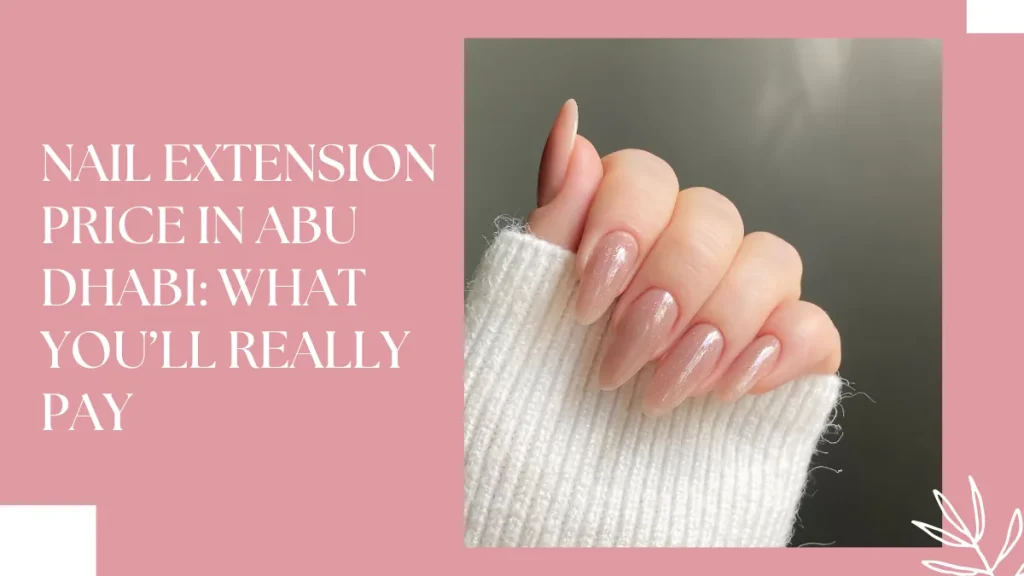
Pricing is rarely “just the set.” It’s the base application + shape/length + design + future maintenance (fills) + removal.
Typical ranges you’ll see in Abu Dhabi for full sets:
- Acrylic: AED 150–350
- Gel: AED 200–400
- Polygel: AED 250–450
For gel specifically, booking platforms also show a wide spread by venue and style (roughly AED 37.50–367.50 for gel extensions listings).
Why home service can cost more (sometimes):
- Travel time + setup
- Limited “back-to-back” scheduling for the tech
- Extra disposable supplies for hygiene
What makes the nail extension price jump fast:
- Extra-long lengths, sculpted shapes, or detailed nail art
- Repairs (broken nail fixes)
- “Same day nail extensions” requests during peak hours
- Bridal nail extensions with layered designs and photo-ready finishing
How much do nail extensions cost in Abu Dhabi? Most full sets range from AED 150–450 depending on whether you choose acrylic, gel, or polygel, plus length and design. Home service can add travel/setup cost, while maintenance (fills) and safe removal are usually priced separately.
Gel vs Acrylic vs Polygel: which one matches your lifestyle?
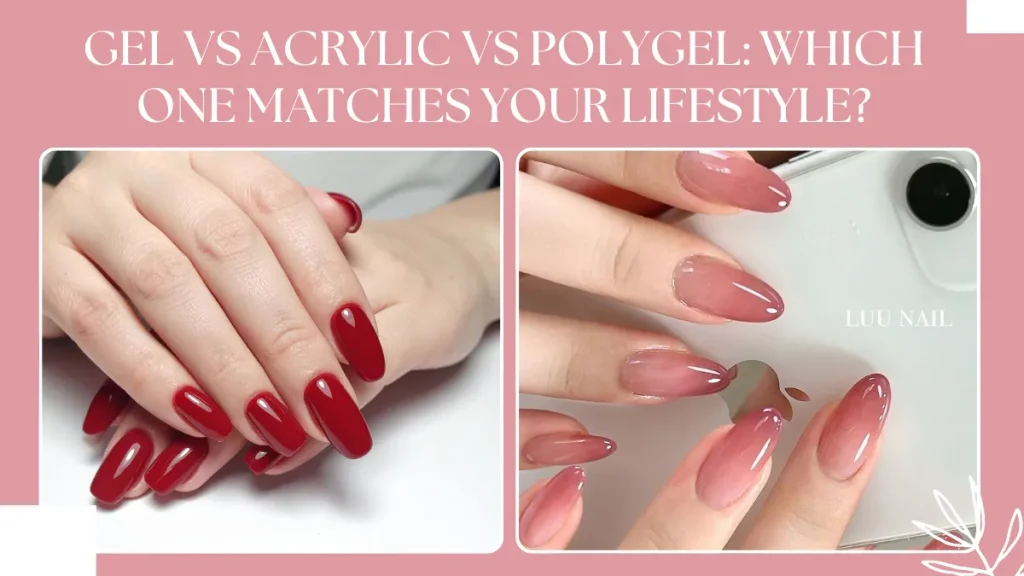
If your week is full—work, errands, family, a hundred hand-washes a day—the “best” option is the one that suits your hands and habits.
Gel nail extensions
Feels like: shinier, slightly more flexible, more “natural-looking” for many people.
Best for: everyday elegance, medium lengths, people who hate bulky nails.
Keep in mind: curing under a UV/LED lamp is part of the process.
Acrylic nail extensions
Feels like: strong, structured, built for durability and dramatic shapes.
Best for: long lengths, crisp shapes, nails that need extra toughness.
Keep in mind: the smell can be stronger, and heavy-handed filing is what you want to avoid.
Polygel nail extensions
Feels like: a hybrid—lighter than acrylic for many, still very strong.
Best for: people who want strength without that “too thick” feeling.
Keep in mind: also cured under UV/LED and depends heavily on the technician’s technique.
How long do they last (real life):
Many people do maintenance every 2–3 weeks (especially as growth shows), and gel extension guidance commonly cites about 2–3 weeks before removal/refresh is recommended.
Are gel nails better than acrylic nails? Gel often looks more natural and can feel lighter, while acrylic is usually tougher for long lengths and sharp shapes. The “better” choice depends on your lifestyle, nail health, and how gently the product is applied and removed.
Nail extensions at home: the safety checklist before you say yes
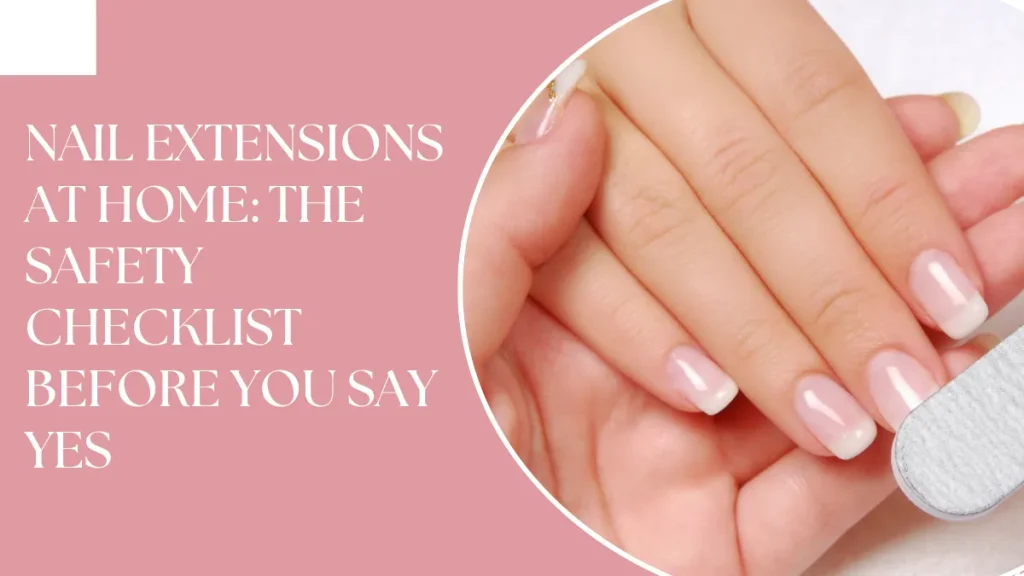
Here’s the truth: most nail damage stories aren’t about the product type. They’re about rushed prep, reused tools, and aggressive removal.
Before you confirm a nail extension appointment, look for these basics:
Hygiene you can see (and smell)
- Freshly sanitized tools (or single-use where possible)
- New file/buffer per client
- Clean surface setup (not a random makeup bag on your coffee table)
Skin protection and allergy awareness
Artificial nail products can irritate skin, and reactions can happen—especially if products repeatedly touch surrounding skin. The FDA notes that traces of reactive monomers in artificial nails can cause adverse reactions in people who become sensitive, and avoiding skin contact helps reduce allergy risk.
Ventilation matters (yes, even at home)
If you’re doing home service nail extensions, open a window or choose a well-ventilated space—guidance on nail products emphasizes good ventilation and following labeled directions to reduce risk.
Prep should be gentle, not aggressive
A careful tech won’t “sand down” your natural nail until it feels thin or hot. Light buffing for adhesion is normal; painful filing is not.
Know what’s going on your nails
If a technician can’t tell you what system they’re using (or gets defensive), that’s your sign to pause. Calm confidence is part of safe work.
How can I make at-home nail extensions safer? Choose a mobile nail technician who uses sanitized or disposable tools, avoids heavy drilling, keeps product off skin, and works in a well-ventilated area. Ask about the system (gel/acrylic/polygel) and safe removal—rushing is where problems start.
How to choose a mobile nail technician in Abu Dhabi (without regrets)
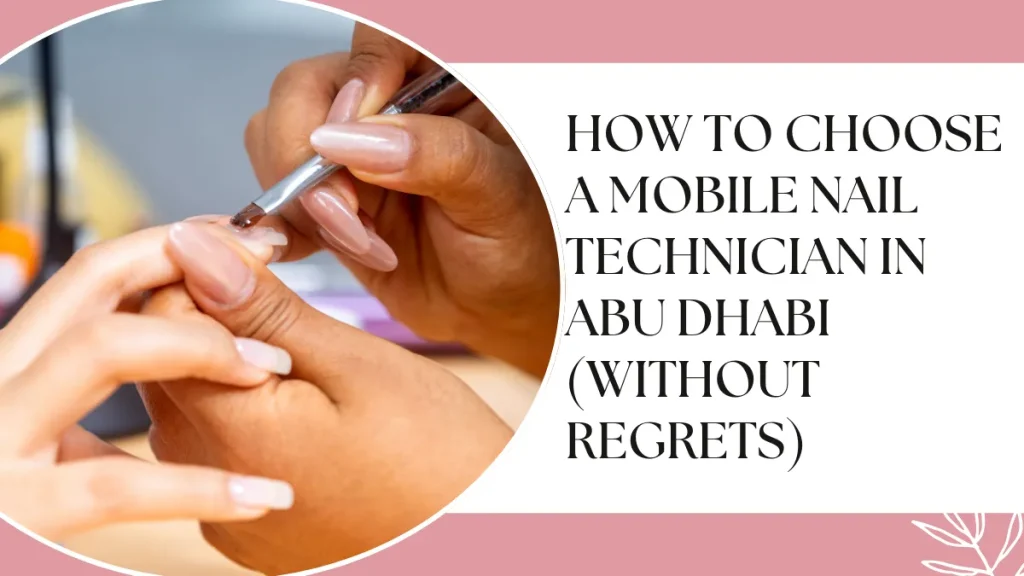
When you search nail extensions near me, the results can look equally glossy. The difference is usually hidden in the small details: prep, hygiene, and how they talk to you.
A good nail technician at home will happily answer:
- What products and brands are being used?
- How tools are sanitized between clients
- Whether tips are used (nail tips extension) or sculpted forms
- How they handle lifting, breaks, and refills
- What aftercare you’ll need in Abu Dhabi’s heat + AC dryness
If you want a broader look at what professional beauty care can include (beyond nails), you can explore the full beauty services menu here and compare what fits your routine.
Green flags (quiet but powerful):
- They don’t rush your cuticles
- They explain what they’re doing as they work
- They recommend fills instead of repeated full removals
- They’re okay with “shorter but healthier” if your nails need a break
Yellow flags (the ones people ignore):
- They push extra-long nails when you asked for practical
- They dismiss redness or burning
- They insist removal is “quick” with harsh peeling or prying
“Salon near me” searches vs home service: when each makes sense
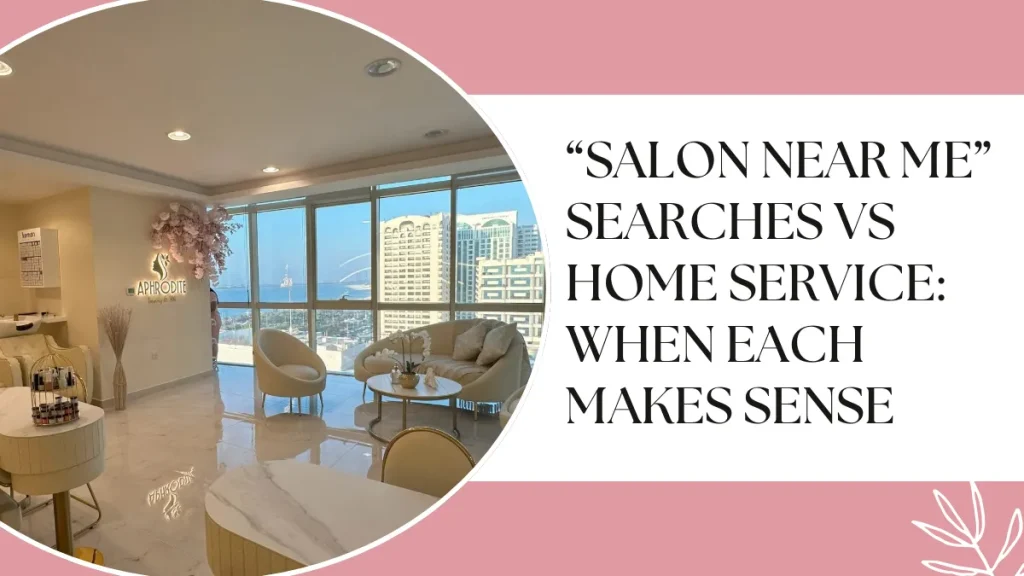
Sometimes the real choice isn’t gel vs acrylic. It’s home comfort vs salon control.
If you’re searching nail extension salon near me, a salon can be ideal when:
- You want a wider color wall and design options
- You’re doing multiple services in one visit
- You prefer a controlled environment (especially for sensitive skin)
Home service can be ideal when:
- You have a tight schedule (or small children at home)
- You want a calm, one-on-one session
- You’re doing a simple, classic set that doesn’t require complex art tools
People often define the best nail extension salon as “the one that listens and stays consistent,” not the one with the loudest trend.
For day-to-day inspiration (and to see real sets, shapes, and finishes), you can browse updates on Aphrodite Beauty’s Instagram.
And if you prefer community-style updates and offers in your feed, their Facebook page is here.
Aftercare in Abu Dhabi: how to keep extensions looking “fresh” longer
Abu Dhabi life is a mix of humidity, sun, and indoor AC—your nails feel it.
The habits that actually help
- Cuticle oil at night (tiny habit, big payoff)
- Gloves for cleaning (chemicals are lifting’s best friend)
- Don’t use nails as tools (tabs, cans, lids—tempting, but costly)
- Return for fills before lifting becomes “air pockets”
If you notice lifting
Don’t glue it down yourself. Trapped moisture can invite irritation. A quick professional fix is safer.
Safe removal is part of safety
Peeling extensions off can take layers of your natural nail with it. If you’re unsure, ask for a removal plan before you ever start.
If you want a deeper, practical routine for keeping nails healthy between appointments, this guide on manicure and pedicure aftercare in Abu Dhabi is a helpful companion read.
And when you’re comparing real reviews and location details (especially if you’re deciding between home visits and a studio), you can check the Google Maps listing here.
Are nail extensions at home safe in Abu Dhabi?
Yes—nail extensions at home can be safe when a technician uses sanitized tools, avoids harsh drilling, keeps product off skin, and works with good ventilation. Ask about safe removal and aftercare, and avoid anyone who rushes prep or ignores irritation signs.
What’s the difference between gel nail extensions and acrylic nail extensions?
Gel nail extensions are cured under a UV/LED lamp and often look glossy and flexible. Acrylic nail extensions use liquid-and-powder systems and can feel more rigid and strong. Both can look beautiful—technique and removal matter more than the label.
How do I compare nail extension price options fairly?
Compare the full cost: base set, length, design, refills, repairs, and removal. A cheaper set can cost more later if it lifts quickly or damages natural nails. In Abu Dhabi, common full-set ranges span roughly AED 150–450 by type and style.
Is “nail extensions near me” a reliable way to find quality?
It’s a good start, not a final answer. Use the search to shortlist, then check real photos, hygiene cues, and how they explain their process. A skilled mobile nail technician will welcome safety questions and won’t rush your nail extension appointment.
How do I find a nail extension salon near me that’s actually clean?
Look for visible sanitation routines, single-use files when possible, clean stations, and technicians who don’t over-file. Reviews should mention consistency, not just “pretty nails.” If you’re unsure, the best nail extension salon will answer hygiene questions without defensiveness.