Table of Contents
Last year, a friend told me her hair “started snapping like dry spaghetti” right after a busy season of highlights, heat styling, and UAE sun. Nothing looked dramatic at first—until the brush filled up faster than usual. If that feels familiar, this deep-dive pairs perfectly with your broader hair-care roadmap—bookmark this complete hair treatments hub for the bigger picture.
A protein treatment for hair isn’t magic—but it can be the missing “support beam” when strands are weak, stretched, or breaking. It’s one of the most effective ways to turn a constant hair breakage repair treatment cycle into a calmer routine—especially when you understand the protein vs moisture treatment balance.
What protein treatments actually do (and why hair responds so fast)
A protein treatment for hair helps reinforce weakened strands by filling tiny gaps along the hair shaft and supporting elasticity. When hair is damaged from heat, bleach, or friction, proteins (like keratin, wheat, or silk) can temporarily strengthen the strand so it breaks less and feels smoother.
Hair is mostly made of keratin protein, which is why damage can feel so personal—because it shows up as dullness, frizz, and “why won’t this detangle?” moments. Protein-based formulas act like patchwork: they adhere to rough areas, improve slip, and help strands feel more resilient after washing.
Dermatologists also emphasize that everyday habits matter just as much as any product—gentle handling, avoiding excess heat, and choosing the right cleansing routine can protect fragile hair. If you want dermatologist-backed baseline habits alongside your treatments, the American Academy of Dermatology’s practical hair-care tips are a solid reference point.
Where protein shines most:
- When hair feels stretchy when wet (then snaps)
- When ends look “see-through” or frayed
- When curls lose shape and bounce
- When color-treated hair feels rough no matter how much conditioner you use
This is why many people describe a good hair protein repair treatment as “getting their hair back”—not because it becomes perfect, but because it becomes predictable again.
Signs you need a protein treatment for damaged hair (and signs you need moisture instead)
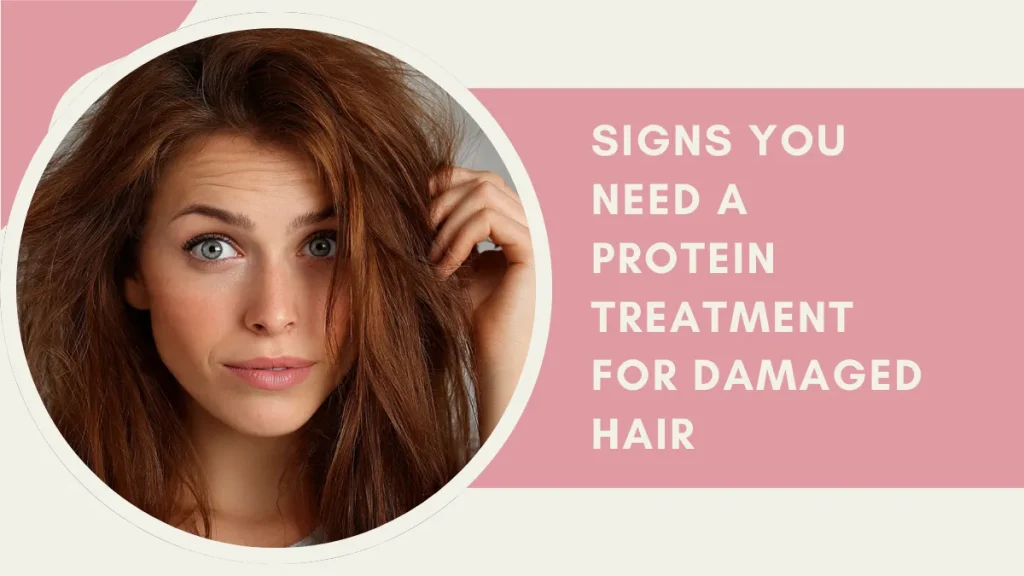
You likely need a protein treatment for damaged hair if your hair feels stretchy when wet, breaks easily, or looks frizzy and weak even after conditioning. You likely need moisture if hair feels soft but limp, overly tangly, or puffy with dryness—especially after shampooing.
Here’s the part most routines miss: hair can be dry and protein-deficient at the same time. The trick is reading the texture.
Signs you may benefit from protein
- Breakage at mid-lengths (not just split ends)
- “Mushy” feel when wet (low elasticity)
- Curls that won’t clump, waves that won’t hold shape
- Chemical services or frequent heat tools
Signs you may need moisture first
- Hair feels stiff, rough, and straw-like
- It tangles the moment water hits it
- It looks dull and feels crunchy after masks
- You’re using strengthening products constantly
If you’re in the UAE (sun + humidity + hard water), this confusion is even more common. Many women notice their hair “acts older” faster in this climate—so they bounce between masks without a plan. If you want a broader local guide that talks about repair options in Abu Dhabi’s environment, this breakdown is helpful context: top hair treatments women try in Abu Dhabi.
Watch-outs: protein overload in hair
Yes, protein overload in hair is real. When you pile on strengthening products without moisture, strands can lose flexibility and feel rigid. (It’s not “too much protein in your body”—it’s just too many protein-heavy formulas on the hair fiber.)
Types of protein treatments (what they’re best for, and what to look for)
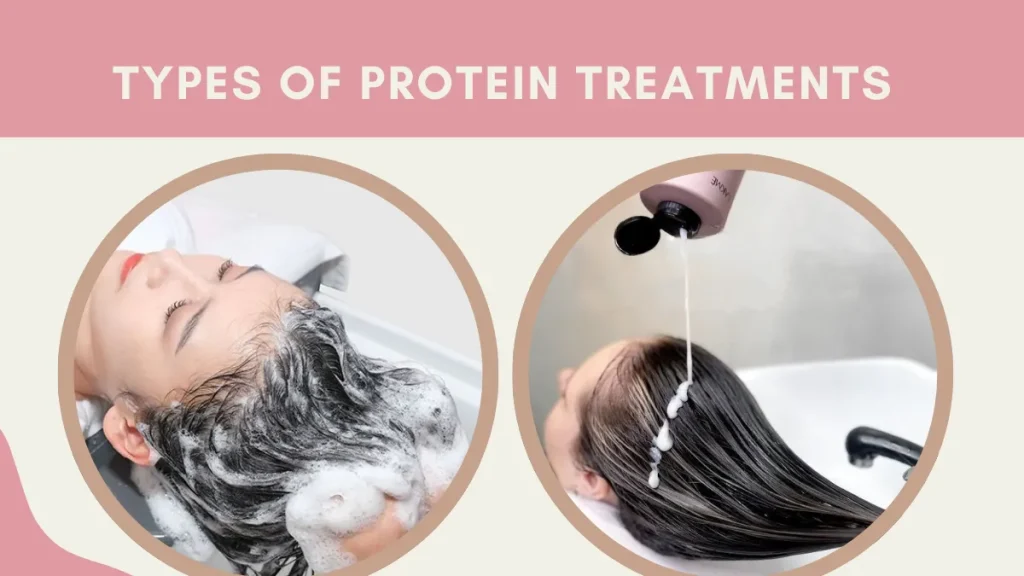
Not all protein is the same. What matters is the size of the protein and the delivery system.
Keratin protein treatment for hair (cuticle smoothing + strength)
A keratin protein treatment for hair typically focuses on smoothing the cuticle (shine, frizz control) while reinforcing weakened areas. Look for terms like hydrolyzed keratin for hair—“hydrolyzed” usually means the protein is broken down into smaller pieces that can coat more evenly.
Best for: frizz + breakage + color wear
Not ideal when: hair is already stiff and dry (moisture first)
Reconstructive hair treatment (bond + structure support)
A reconstructive hair treatment usually combines proteins, amino acids, and sometimes bond-building technology. This is what many people mean when they say “my hair feels stronger from the inside.”
Best for: bleach damage, repeated heat damage, high porosity hair
Deep conditioning protein mask (weekly maintenance)
A deep conditioning protein mask is your “steady, gentle” option. It’s often lower intensity than salon formulas but perfect for routine maintenance.
Best for: mild–moderate damage, curls that need bounce, ongoing strengthening
Salon protein hair therapy (higher concentration, guided timing)
Salon protein hair therapy tends to use stronger formulas and controlled processing times—helpful when hair is highly compromised and you’re not sure what it can tolerate.
One example of a professional-style repair approach many people research is K18-style repair. If you’re curious how a pro repair session is typically positioned (who it’s for, what it targets), you can read: K18 hair repair treatment overview.
Collagen and “support proteins”
Collagen protein for hair is often used for conditioning benefits and feel (slip, softness), while keratin is more “hair-identical.” Both can be useful—just don’t expect one product to fix everything.
How to use a protein treatment for hair (without overdoing it)
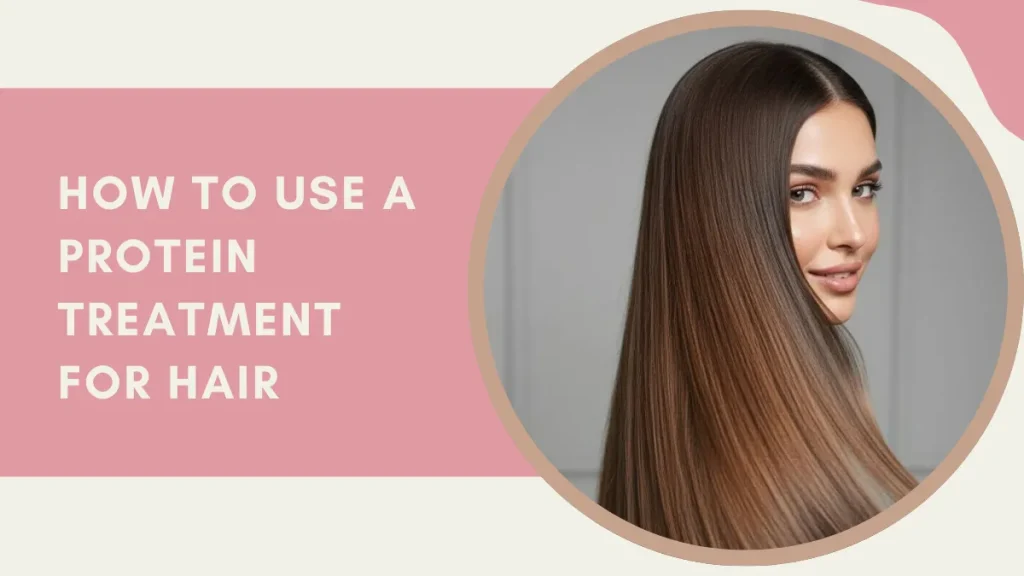
To use a protein treatment for hair, start with a gentle cleanse, apply the treatment mainly to mid-lengths and ends, follow the recommended time, then rinse thoroughly. Always finish with a moisturizing conditioner or mask to restore softness. Most people use it weekly or every 2–4 weeks, depending on damage.
Here’s a simple, low-drama routine that works for most hair types:
Step-by-step (easy to repeat)
- Cleanse gently (skip harsh clarifying unless there’s heavy buildup)
- Squeeze out water (wet hair dilutes treatments too much)
- Apply from mid-lengths to ends (roots usually don’t need heavy protein)
- Comb through with wide-tooth comb (less tension)
- Time it (more time ≠ better results)
- Rinse well
- Follow with moisture (this is where balance happens)
A lot of people notice the best results when they pair strengthening with smarter daily habits—gentle detangling, lower heat, and protective styling. (That “boring” stuff is usually what saves the ends.)
At-home protein treatment for hair: a realistic routine for busy weeks
An at-home protein treatment for hair should feel doable on a Tuesday night—not like a science project. Think: one product + one moisture follow-up.
Your “two-product” at-home plan
- One strengthening step: a mask or treatment with keratin, silk, rice, or wheat proteins
- One softening step: a hydrating conditioner or mask right after
How often to do protein treatment:
- High damage (bleach/relaxer): weekly to bi-weekly at first
- Moderate damage (heat + color): every 2–4 weeks
- Mostly healthy hair: monthly or “as needed” when breakage flares
If you want a gentler DIY option, keep expectations realistic: a DIY protein treatment for hair can help with feel and temporary strength, but it won’t replace well-formulated treatments for major damage.
Simple DIY option (use sparingly)
- Egg protein treatment for hair: can add temporary strength/feel
- Use cool water to rinse (hot water can cook egg)
- Keep it short (10–15 minutes)
- Follow with conditioner
DIY is best as a “bridge,” not a long-term repair plan—especially if your hair is already fragile.
Best protein treatment for hair: how to choose by your hair type
When people ask for the best protein treatment for hair, they’re usually asking one thing: “What won’t make this worse?”
Use this quick matching guide:
If your hair is fine or easily weighed down
Choose lightweight proteins (silk/rice), shorter processing time, and avoid heavy butters. A strengthening treatment for weak hair should leave hair bouncy, not coated.
If your hair is curly, coily, or highly porous
Curls often love periodic protein—especially when shape is collapsing. Many curl experts describe protein as “structure” and moisture as “flexibility,” which is why the balance matters.
If your hair is color-treated or bleached
Go for a protein treatment for damaged hair that also supports slip (to reduce mechanical breakage). Look for amino acids + conditioning agents and don’t skip your moisture follow-up.
If your hair is heat-styled daily
Aim for a keratin-based mask every few weeks plus heat protection. Over time, this becomes a steady hair breakage repair treatment strategy rather than a panic response.
If you want to explore professional service categories while you build your home routine (without jumping into anything), you can browse what’s typically offered here: full beauty services list.
Common mistakes (and how to fix them fast)
Mistake 1: Treating protein like moisturizer
Protein supports strength—moisture supports flexibility. If you only “strengthen,” hair can feel rigid.
Mistake 2: Layering too many protein products
Protein shampoo + protein conditioner + protein mask + protein leave-in = overload risk. If you suspect protein overload in hair, pause proteins for 1–2 weeks and focus on hydration and gentle handling.
Mistake 3: Applying protein to already-stiff hair
When hair feels crunchy, start with moisture and softness first—then add protein later.
Mistake 4: Ignoring friction
Sometimes the problem isn’t the formula—it’s rough towel-drying, tight elastics, or brushing when hair is vulnerable. Small habit changes can be a surprisingly powerful strengthening treatment for weak hair over time.
Mini-checklist: what to look for on labels
If you’re scanning ingredients, these terms often show up in effective formulas:
- Keratin / hydrolyzed keratin for hair
- Wheat, rice, silk, or soy proteins
- Amino acids (arginine, cysteine, etc.)
- Conditioning agents (for slip + detangling)
And if you’re combining nutrients in your routine, keep expectations grounded: biotin and protein hair treatment products can support cosmetic feel, but they’re not instant “growth” solutions. Consistency + gentle care wins.
A gentle “when to get help” note (especially if you’re in Abu Dhabi)
If breakage is sudden, shedding is heavy, or your scalp feels irritated, it’s worth getting an in-person assessment (and sometimes a dermatologist’s input). If you simply want a location reference for a professional consult in Abu Dhabi, you can find directions here (just once, so you don’t get lost in tabs): Aphrodite Beauty & Spa on Google Maps
And if you want a wider overview of repair options beyond protein—hydration, scalp care, and modern therapies—this guide is a helpful supporting read: hair treatment guide for Abu Dhabi routines.
For community updates and real client-style inspiration, you can also follow along here: Aphrodite Beauty on Facebook And here: Aphrodite Beauty on Instagram
What is the best protein treatment for hair for breakage?
The best protein treatment for hair is one that strengthens without making strands stiff—usually a mask with keratin, silk, or rice protein plus a moisturizing follow-up. If hair is highly damaged, a reconstructive hair treatment or salon-strength option may work better.
How often should I do a protein treatment for damaged hair?
Most people use a protein treatment for damaged hair every 2–4 weeks, while severely bleached or heat-damaged hair may benefit weekly at first. Watch how hair feels: stronger and smoother is good; stiff or rough may mean you need more moisture.
Is a keratin protein treatment for hair the same as a protein mask?
A keratin protein treatment for hair is often more smoothing and may be stronger than a weekly mask. A deep conditioning protein mask is typically gentler for maintenance. Both can help with strength, but keratin options usually focus more on cuticle smoothing and frizz control.
What’s the easiest at-home protein treatment for hair routine?
An at-home protein treatment for hair routine is simple: cleanse gently, apply a protein mask to mid-lengths and ends for the recommended time, rinse, then use a moisturizing conditioner. This pairing supports strength and softness and helps prevent protein overload in hair.
Can DIY protein treatment for hair like egg masks repair damage?
A DIY protein treatment for hair (like an egg protein treatment for hair) can temporarily improve feel and reduce breakage, but it won’t rebuild severe chemical damage the way formulated treatments can. Use it sparingly, rinse with cool water, and always follow with conditioner.