Table of Contents
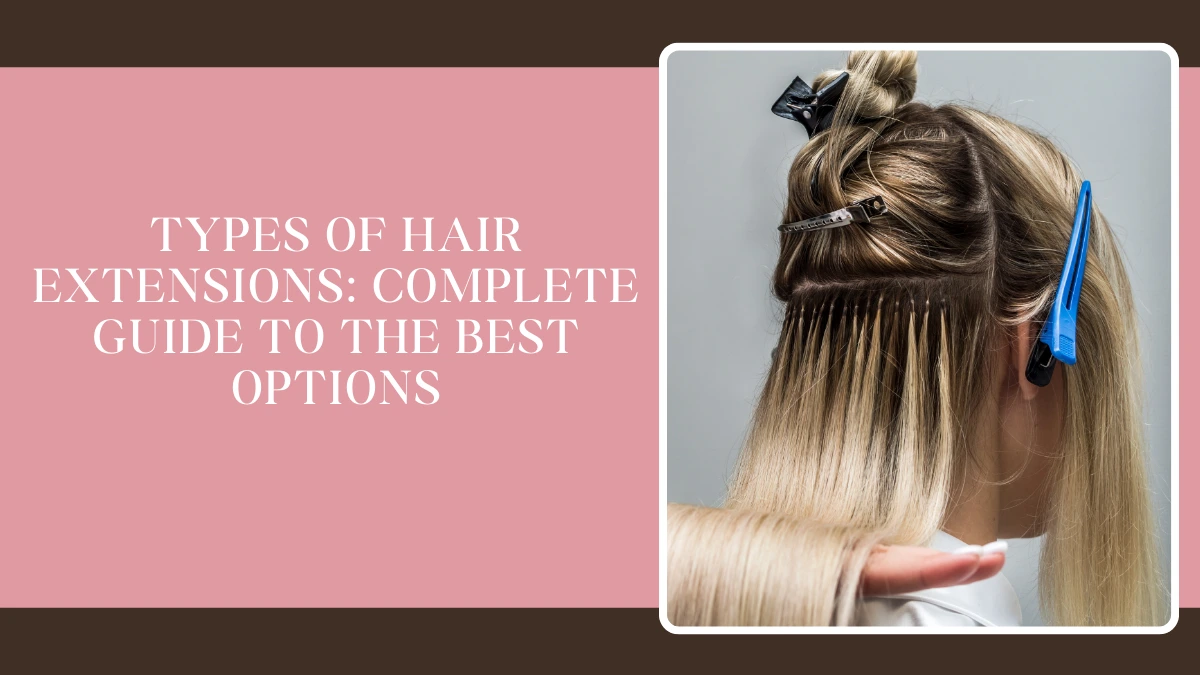
If you have ever searched for the types of hair extensions and felt overwhelmed by the choices, you are not alone. Hair extensions can look simple from the outside, but once you start comparing methods, it becomes clear that different types of hair extensions suit different hair textures, budgets, lifestyles, and styling goals. Some people want quick volume for an event. Others want a long-term transformation that feels natural enough for everyday wear.
Understanding the types of hair extensions is the first step toward getting a result that looks beautiful, feels comfortable, and fits into your routine. The right method can add length, fullness, movement, and confidence. The wrong one can feel bulky, require more maintenance than expected, or fail to blend naturally with your own hair.
For clients in Abu Dhabi, choosing between the types of hair extensions also means thinking about climate, maintenance, and texture matching. Heat, humidity, dry indoor air, and regular heat styling can all affect how extensions wear over time. That is one reason professional consultation matters so much. Aphrodite Beauty & Spa’s current hair extensions page highlights 100% natural human hair, personalized color and texture matching, and four core methods: tape-in, clip-in, micro-link, and fusion. Its related guide also emphasizes climate-aware aftercare and professional maintenance in Abu Dhabi.
In this guide, we will break down the most popular types of hair extensions, explain the pros and cons of each, compare human hair with synthetic alternatives, and help you decide which option makes the most sense for your hair type, styling habits, and lifestyle.
Why does it help to understand the types of hair extensions before booking
One of the biggest mistakes people make with the types of hair extensions is choosing based only on photos. A dramatic before-and-after image may look amazing, but it does not tell you how that method feels on fine hair, how often it needs adjusting, or how well it works for someone who heat styles daily.
When you understand the types of hair extensions before booking, you can ask much better questions during your consultation. You can think about whether you want something temporary or long-lasting. You can decide whether you prefer reusable wefts, individual strand placement, or a method you can apply and remove at home. You can also go into your appointment with a clearer sense of your budget, your maintenance tolerance, and the result you actually want.
In simple terms, learning about the types of hair extensions helps you choose with confidence instead of guessing.
The most popular types of hair extensions explained
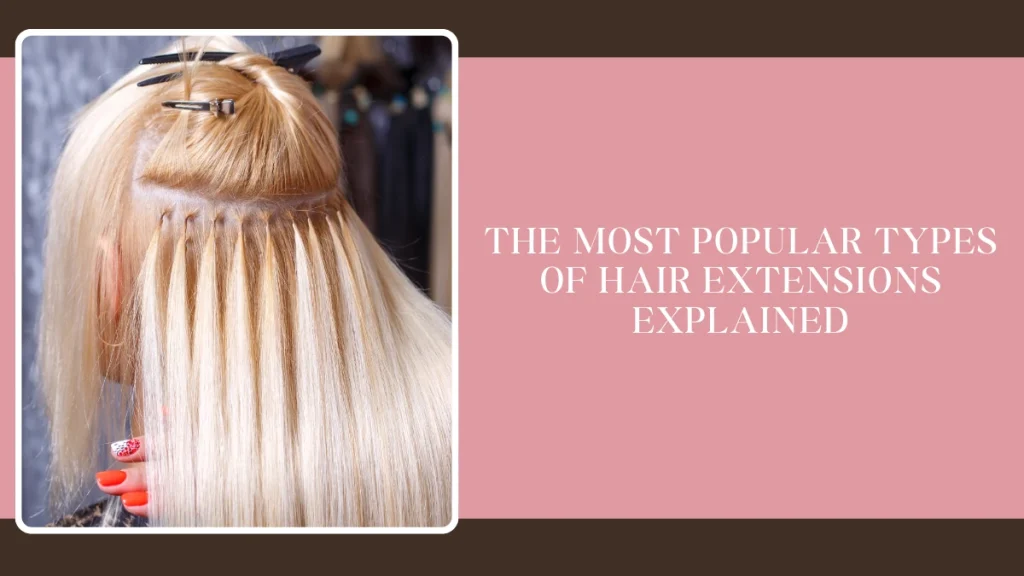
Tape-in extensions
Among all the types of hair extensions, tape-ins are one of the most popular for a reason. They use thin wefts attached close to the root with adhesive tabs, which helps them lie flat against the head and create a soft, seamless result.
Tape-ins are often a strong choice for people who want natural-looking volume and length without a heavy feel. They can work especially well for fine to medium hair because the wefts sit close to the scalp and usually blend more discreetly than bulkier methods. Aphrodite describes tape-ins as lightweight, quick to apply, reusable with refreshed adhesive, and best suited to fine to medium hair, with maintenance often needed every 6 to 8 weeks.
Tape-ins may be ideal if you want the types of hair extensions that offer:
- A flat, natural finish
- Fast application compared with the strand-by-strand methods
- Reusable wear with salon maintenance
- Every day softness and movement
They may be less convenient if you rely heavily on oil-based root products or prefer to avoid regular repositioning appointments.
Clip-in extensions
If you are comparing the types of hair extensions and know you do not want a long-term commitment, clip-ins are one of the easiest options to start with. These are wefts with small clips attached, so they can be installed and removed at home.
Clip-ins are ideal for occasional length, quick volume, photoshoots, weddings, parties, or simply testing a longer look before committing to a salon-applied method. Because they are removable, they also suit readers who want flexibility. You can wear them when you want a more glamorous finish and leave your natural hair untouched on other days.
Of the different types of hair extensions, clip-ins are often the most beginner-friendly. They are a strong choice for people with sensitive scalps, people who want styling freedom without long-term wear, or anyone who only wants extensions for specific occasions. The main downside is that they require daily application when worn and are not designed to function like a permanent salon-installed solution.
Micro-link or micro-bead extensions
Micro-link extensions, also known as micro-bead or micro-ring extensions, are one of the most customizable types of hair extensions. Instead of using glue or tape, they attach small sections of extension hair to your natural hair with tiny beads.
This method appeals to many people because it avoids glue, heat, and chemical bonding during application. It can be a good choice if you want longer-term wear with flexible, strand-by-strand placement. Aphrodite notes that micro-link extensions can last around 3 to 4 months and usually need maintenance every 6 to 8 weeks as the beads move down with natural growth.
Among the types of hair extensions, micro-links are especially appealing if you want:
- A glue-free and heat-free application
- More precise placement for targeted fullness
- A long-wearing method with movement
- A result that can be customized section by section
They may be less suitable for extremely fragile hair if the placement is not carefully tailored, which is why consultation and professional technique matter.
Fusion or keratin bond extensions
Fusion extensions are one of the most refined-looking types of hair extensions for readers who want a polished, long-term result. This method uses a keratin-based adhesive to bond individual strands of extension hair to the natural hair, which allows very precise placement and a natural flow.
Because each strand is attached individually, fusion can look especially seamless when done by an experienced stylist. Aphrodite describes fusion extensions as durable, natural-looking, and ideal for fuller transformations, with maintenance often needed every 8 to 10 weeks and wear that may last about 4 to 6 months with proper care. Aphrodite’s guide also positions keratin bond extensions as a long-term, natural-looking option.
Among the types of hair extensions, fusion is often chosen by readers who want:
- Highly discreet bonds
- A luxury, long-wear finish
- More styling freedom for updos and movement
- Fuller length and volume that still looks natural
The trade-off is that application and removal are more technical, so this method is best handled by trained professionals.
Sew-in or weave extensions
For a complete guide to the types of hair extensions, it is also worth mentioning sew-ins. A sew-in, sometimes called a weave, usually involves braiding the natural hair first and then sewing extension wefts onto those braids.
Not every salon specializes in this method, but it remains one of the important types of hair extensions, especially for thicker, curlier, or Afro-textured hair.
Human hair vs synthetic: which is better?
When researching the types of hair extensions, you will usually face a second decision as well: human hair or synthetic hair.
Human hair extensions usually offer the most natural appearance, the softest movement, and the most styling flexibility. They can generally be curled, straightened, and blended more naturally than synthetic alternatives. Aphrodite’s salon uses 100% natural human hair, and its related guide emphasizes human hair for realism, styling freedom, and longer-term wear.
Synthetic extensions are often more budget-friendly, and they may work for occasional wear, but they usually offer less heat resistance and less flexibility when it comes to blending or long-term styling. If you want the types of hair extensions that look polished for everyday wear, human hair is often the stronger choice.
How to choose between the types of hair extensions
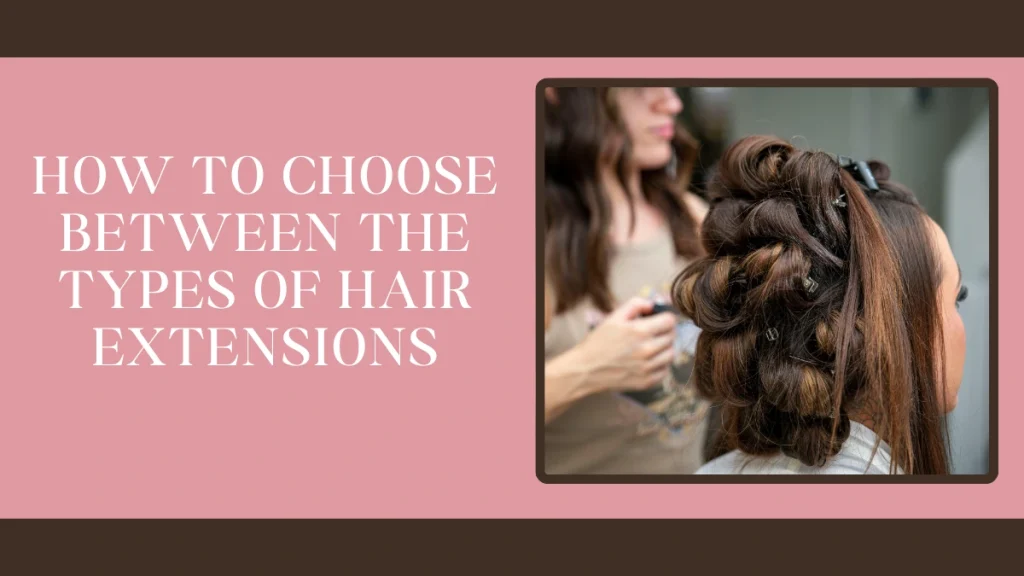
Choose based on your hair type
One of the smartest ways to compare the types of hair extensions is to start with your natural hair.
If you have fine hair, lightweight methods tend to work best. Tape-ins are often recommended because they lie flat and feel lighter, while nano or micro-bead style methods can also work well when installed carefully. Aphrodite’s specifically highlights micro-ring and nano-bead options for fine hair because of their discreet, lightweight feel.
If you have medium hair, you will usually have more flexibility across the types of hair extensions. Tape-ins, clip-ins, micro-links, and fusion can all work, depending on how much daily styling you do and how much maintenance you are comfortable with.
If you have thick, curly, or highly textured hair, some types of hair extensions designed for stronger anchoring or better texture matching may create a more natural result. Aphrodite’s guide also points to texture matching for curly and Afro-textured hair in Abu Dhabi, which is an important detail for a seamless finish.
Choose based on your lifestyle
Your daily routine matters just as much as your hair type when comparing the types of hair extensions.
If you want something temporary, clip-ins are often the most practical answer. If you want to wake up with longer, fuller hair every day, tape-ins, micro-links, or fusion will usually make more sense.
If you prefer low-effort daily styling, longer-wearing types of hair extensions may actually feel more convenient overall, even if the initial appointment takes longer. If you only want extra glamour now and then, clip-ins may be enough.
If you work out frequently, swim often, or use hot tools several times a week, that should always be part of the consultation. The best types of hair extensions are not just the prettiest ones. They are the ones that fit the way you actually live.
Choose based on the result you want
Think about what you want your hair to do for you.
Do you want a little more fullness around the face? A major increase in length? Better ponytail thickness? Softer bridal styling? A sleek blowout look for daily wear?
The best types of hair extensions for subtle volume are not always the same as the best types of hair extensions for dramatic length. Tape-ins often work well for soft, everyday fullness. Fusion can deliver a very refined long-term finish. Micro-links allow more strategic density placement. Clip-ins are perfect for a quick transformation.
What to expect in Abu Dhabi’s climate
For readers in the UAE, the climate is a practical part of choosing the types of hair extensions. Heat, humidity, dry indoor air, and frequent styling can all affect how the hair behaves and how long it stays looking smooth.
Aphrodite’s guide points out that Abu Dhabi’s hot, dry, and humid conditions can affect extension durability. It recommends regular maintenance, gentle detangling, heat protection, and hydration-focused care to help preserve shine and softness. The same guide also notes that professional check-ups every 6 to 8 weeks help maintain the quality and appearance of extensions.
That does not mean the types of hair extensions are difficult to manage in Abu Dhabi. It simply means aftercare matters more. High-quality human hair, the right products, and timely maintenance usually make a big difference.
Care tips that help all types of hair extensions last longer
No matter which of the types of hair extensions you choose, aftercare protects your investment.
Start with gentle washing. Sulphate-free products are often preferred because they help keep the hair softer and less dry. Wash gently rather than scrubbing aggressively, and always smooth products downward through the length.
Brush carefully. Use an extension-friendly brush and work from the ends upward so you do not create unnecessary tugging. Hold the hair near the root while detangling to reduce tension.
Be thoughtful with heat. Human hair extensions can usually be styled with heat, but heat protectant is still important. Aphrodite also advises avoiding heavy oil-based products that may affect bonds or leave the hair overly greasy, and recommends heat protection for styling.
Sleep smart. A loose braid or soft ponytail can help reduce overnight friction, especially with longer hair.
Most importantly, do not skip maintenance. Many types of hair extensions stay beautiful because of proper upkeep, not because they are completely hands-off.
Best Hair Extension Services to Match Your Hair Goals
If you are narrowing down the types of hair extensions that suit you best, these service options from Aphrodite Beauty & Spa are the most relevant ones, which are Thai Extension and Hair Extension (Russian) options in tape, clip-on, nano, and keratin formats, along with supportive hair treatments.
Thai Extension Tape — 1100 AED
For clients researching the types of hair extensions that look natural and feel lightweight, Thai Extension Tape is a strong starting point. This option makes sense if you want daily volume and length with a flatter finish near the scalp. It can be especially appealing for fine to medium hair and for anyone who wants a soft, natural blend. Aphrodite describes tape-ins as quick to apply, reusable, and suitable for fine to medium hair.
- Lightweight, discreet finish
- Good for natural-looking daily wear
- Reusable with maintenance
- A practical choice for fine to medium hair
Thai Extension Nano — 1110 AED
If you are comparing the types of hair extensions for a more customized, strand-by-strand result, Thai Extension Nano is worth considering. Nano-style placement can suit clients who want targeted fullness rather than broader weft coverage. It is especially relevant for people who want something light, flexible, and more tailored in placement. Aphrodite’s guide also highlights nanobead options as a strong fit for fine hair.
- Discreet placement
- Useful for targeted volume
- Strong option for lightweight enhancement
- Good for a more customized finish
Thai Extension Keratin — 1260 AED
Among the types of hair extensions for long-term glamour, Thai Extension Keratin is one of the most polished options on the pricing menu. This suits clients who want a more seamless finish and plan to wear extensions consistently rather than occasionally. Aphrodite serves as a position fusion extension, durable, natural-looking, and ideal for fuller transformations.
- Natural-looking strand placement
- Suitable for longer-term wear
- Great for a fuller, polished result
- Strong choice for readers who want a luxury finish
Hair Extension (Russian) Tape — 1500 AED
If your priority is premium human hair and a more elevated finish, Hair Extension (Russian) Tape is another relevant option to ask about during consultation. When people compare the types of hair extensions, they are often choosing not only a method but also a quality level. This option may suit readers who want tape-in convenience with a more premium feel and are comfortable making a stronger investment.
- Premium tape-in option
- Helpful for soft, natural-looking volume
- Suitable for readers prioritizing blend and feel
- A stronger investment for regular wear
Nashi Keratin Hair Treatment — 524 AED
Not every reader looking into the types of hair extensions needs only an extension service. Sometimes a smoothing or conditioning treatment can help the final result look more polished and easier to manage, especially in Abu Dhabi weather. Aphrodite recommends Nashi Keratin under Hair Treatments at 524 AED, making it a relevant add-on for readers who want smoother texture, easier styling, and better harmony between their natural hair and extensions.
- Helps improve smoothness and manageability
- Useful before or after extension planning
- Supports a sleeker blended finish
- Relevant for humid or frizz-prone conditions
Ready to transform your hair? Explore the best hair extension options for natural-looking length, volume, and style.
Email us: Aphrodite.beautyad@gmail.com
Message us on Facebook:
https://www.facebook.com/people/Aphrodite-Beauty-SPA/61562796173809
Follow us on Instagram:
https://www.instagram.com/aphrodite_beautyad
Get directions on Google Maps:
https://maps.app.goo.gl/H8APcZMuy8Jm6Nz99?g_
Phone/WhatsApp: +971501422116
Hours: Monday to Sunday, 11 AM to 10 PM
Location: Das Tower – Sultan Bin Zayad Street – 9th floor – 903 32nd Street – Al Bateen – Abu Dhabi – United Arab Emirates
Which of the types of hair extensions is best for fine hair?
Tape-ins are often one of the best types of hair extensions for fine hair because they lie flat and feel lightweight. Nano- or micro-bead options may also work well when carefully installed by an experienced stylist.
Which of the types of hair extensions lasts the longest?
Fusion or keratin bond methods are often among the longest-wearing types of hair extensions, while micro-link methods can also last for months with proper upkeep. Aphrodite notes around 3 to 4 months for micro-links and about 4 to 6 months for fusion with proper care.
Are clip-ins better than salon-installed types of hair extensions?
Clip-ins are better if you want flexibility, occasional wear, and no long-term commitment. Salon-installed types of hair extensions are better if you want daily wear, a more seamless finish, and less day-to-day application effort.
Are human hair options better than synthetic types of hair extensions?
For most readers, yes. Human hair usually looks more natural, blends better, and gives you more styling freedom than synthetic alternatives, especially for everyday wear. Aphrodite specifically emphasizes 100% natural human hair across its extension offering.
How often should I maintain the types of hair extensions I choose?
That depends on the method, but many types of hair extensions need check-ins every 6 to 8 weeks, while some keratin or fusion methods may go slightly longer between appointments.
Can the types of hair extensions work well in Abu Dhabi?
Yes, hair extensions can work very well in Abu Dhabi when you choose quality human hair, use heat protection, keep up with hydration-focused care, and book maintenance at the right intervals.