
Table of Contents
Hair coloring has quietly evolved into more than just a beauty choice. In 2026, it reflects personality, lifestyle, and self-expression rather than bold experimentation alone. People are hair coloring that feels natural, intentional, and aligned with who they are.
This shift is visible in how modern salons approach hair coloring—less about trends, more about personalization. Brands that understand holistic beauty, like Aphrodite Beauty & Spa, mirror this philosophy by emphasizing care, balance, and individuality over one-size-fits-all solutions.
The result? Hair color that looks effortless, grows gracefully, and fits real life.
Why Personalized Professional Hair Coloring Is Leading in 2026
Professional hair coloring has become deeply personal. Instead of picking a shade from a chart, salons start with conversations about work routines, styling habits, and long-term maintenance.
Top salons personalize salon hair coloring by considering:
Skin Undertones and Facial Features
Your skin undertone and facial features play a major role in choosing the most flattering hair color. Undertones are the subtle shades beneath your skin—cool, warm, or neutral—and they influence how a hair color will appear against your face.
For example, warm undertones pair beautifully with golden or caramel hues, while cool undertones look striking with ash or platinum shades. Considering facial features, such as jawline, eye color, and cheekbones, allows stylists to highlight natural beauty and create a harmonious look that enhances your unique characteristics.
Hair Texture and Natural Movement
Not all hair responds the same way to color. Hair texture—straight, wavy, curly, or coily—affects how light reflects on the strands and how color blends. Natural movement, such as waves or layers, also changes the appearance of highlights, balayage, or lowlights.
Professional hair coloring takes these factors into account, ensuring that the chosen color complements the hair’s natural flow. This approach makes the color look seamless, reduces the need for frequent touch-ups, and creates a dynamic, healthy-looking finish that moves naturally with your hair.
Comfort with Lifestyle-Friendly Color
A hair color should not just look good—it should fit your lifestyle. Busy schedules, maintenance preferences, and styling habits determine whether a high-maintenance shade, like platinum blonde, or a low-maintenance color, like soft balayage, is more suitable.
Lifestyle-friendly color ensures that you can enjoy your hair without constant salon visits or complicated upkeep. This consideration improves satisfaction, reduces stress, and allows your hair to stay vibrant and healthy while fitting your everyday routine.
This approach allows hair color services to feel intentional rather than impulsive. Stylists blend realistic hair color ideas with subtle creativity, ensuring results feel authentic and wearable. Modern hair coloring isn’t just about changing your look—it’s about alignment with self.
Low-Maintenance Shades Are Redefining Hair Color Services
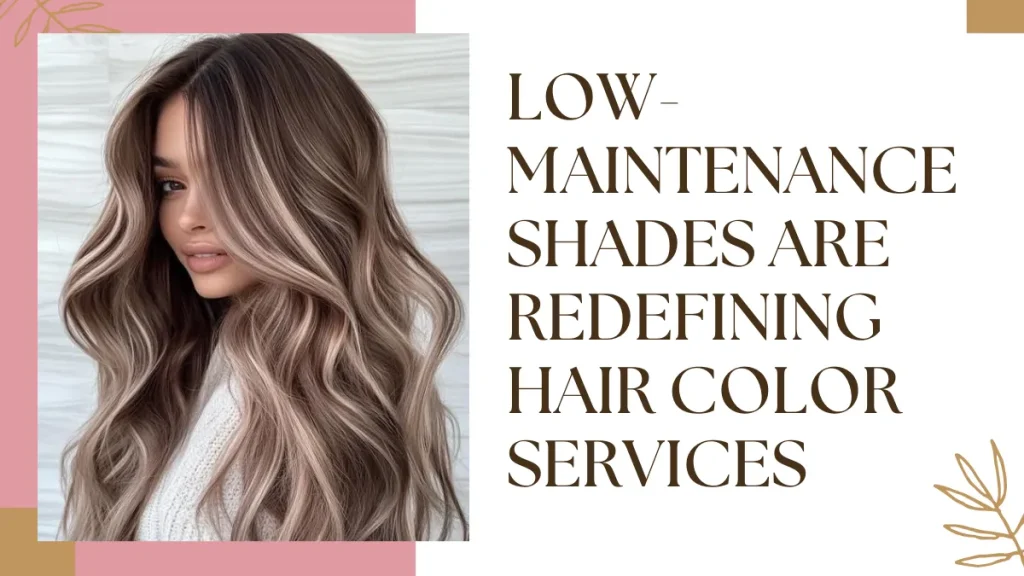
One of the strongest movements in hair coloring trends is low-maintenance shades. Busy lifestyles have shifted expectations, and salons are responding with smarter hair coloring techniques.
Popular approaches include:
Soft Root Melts
Soft root melts are a modern hair coloring technique designed to create a natural transition from your roots to the rest of your hair. Instead of a harsh line, the color gradually blends, giving a lived-in, effortless look. This technique works well for anyone wanting low-maintenance hair, as regrowth is less noticeable, and touch-ups are less frequent. Soft root melts also enhance natural hair movement, making color appear dynamic and seamless.
Seamless Balayage Hair Color Fades
Balayage remains one of the most popular hair coloring techniques, and in 2026, salons focus on seamless fades. Instead of dramatic contrasts, colors are hand-painted to create soft, gradual transitions that mimic how sunlight naturally lightens hair. Seamless balayage suits a wide range of hair types and textures. They add depth and dimension without the stark maintenance of traditional highlights, making them perfect for a natural, sophisticated look.
Natural Dimension Instead of Flat Tones
Flat, single-toned hair is out; natural dimension is in. Modern hair color focuses on layering shades to reflect light and movement, giving hair a richer, more textured appearance. By combining highlights, lowlights, and glossing techniques, stylists create hair that looks full of life and effortless. This approach works with all hair lengths and textures, allowing every strand to contribute to the overall depth.
These methods reduce frequent salon visits while preserving shine and vibrancy. Many salons combine these approaches with broader beauty offerings, like those outlined on Aphrodite’s beauty services page.
Permanent Hair Color Is Becoming More Strategic
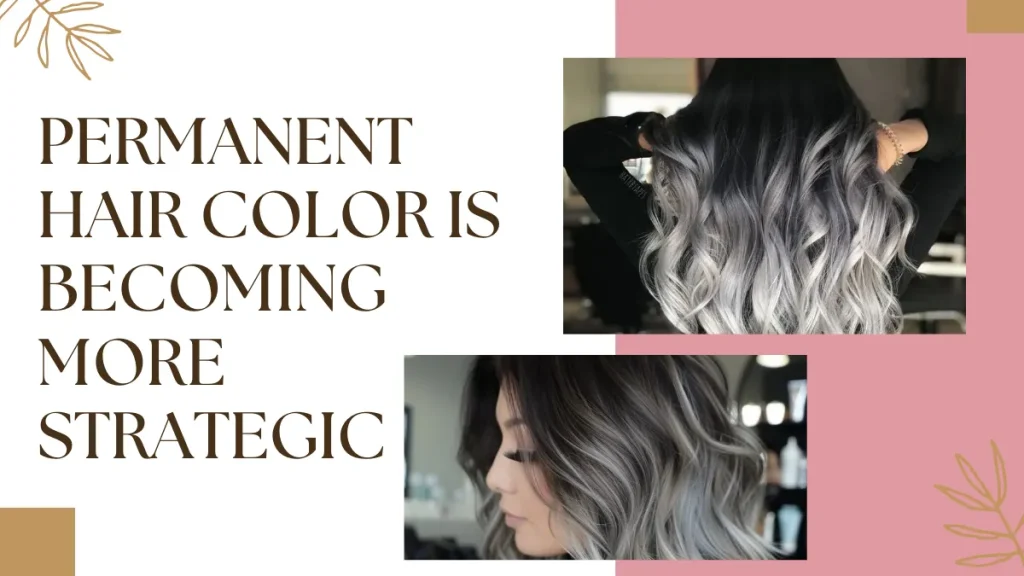
Permanent hair color remains essential, but its application is now refined. In 2026, salons use permanent color only where durability is needed.
Stylists often:
Apply Permanent Hair Color for Grey Blending
Permanent hair color is perfect for blending grey strands naturally. Stylists target specific areas to create a polished look that grows out gracefully, reducing the need for frequent touch-ups while maintaining a professional finish.
Pair It with Glosses or Demi-Color for Mid-Lengths
Glosses or demi-permanent colors enhance shine and add soft tonal variation to mid-lengths. This creates a subtle dimension, prevents flatness, and keeps hair vibrant without causing damage.
Preserve Natural Hair Health
Modern coloring techniques focus on protecting hair structure and strength. By using targeted applications and nourishing formulas, salons ensure hair stays soft, shiny, and healthy, even after coloring.
Temporary Hair Color Gains Professional Value
Temporary hair color is no longer just a fun experiment—it has become a strategic tool in professional hair coloring. Modern salons use temporary shades to refresh a client’s hair for the season, giving a subtle update without committing to a long-term change. It also serves as a solution for tone correction between visits, helping hair maintain vibrancy and balance while waiting for the next permanent color session.
Beyond maintenance, temporary hair color allows stylists and clients to experiment with new looks safely. By testing different shades and techniques, clients gain confidence in their choices, while stylists can fine-tune permanent color plans for the most flattering, long-lasting results. This thoughtful approach ensures hair looks natural, dynamic, and personalized at every stage.
Hair Highlights Are Softer and More Intentional
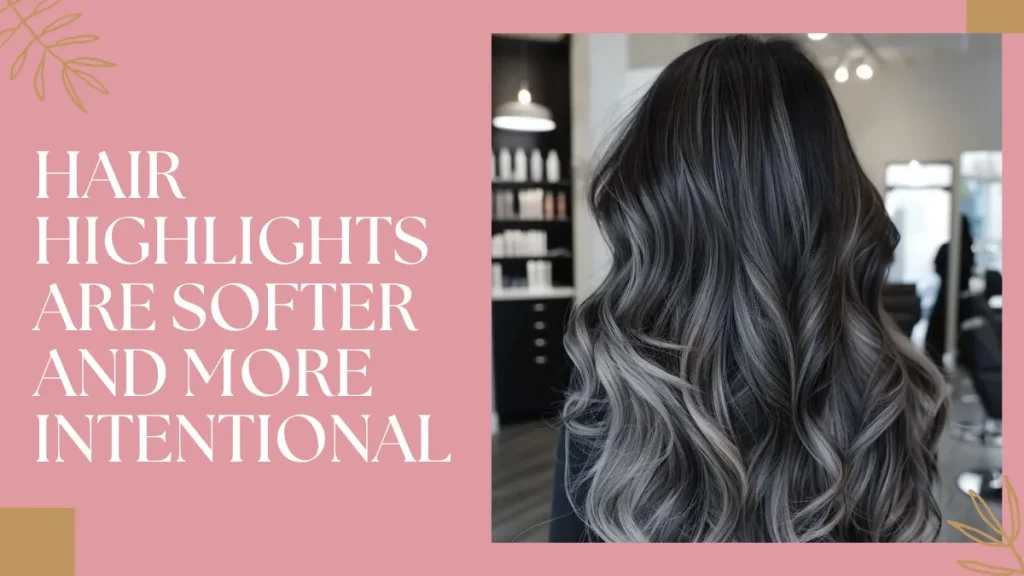
In 2026, hair highlights have evolved to become subtle, dimensional, and strategically placed, moving away from harsh contrasts that were once popular. Modern highlights are designed to enhance the natural flow of hair, creating movement that looks effortless and sophisticated. By focusing on how light interacts with the hair, stylists can give strands a soft glow that appears natural in any setting.
These highlights often emphasize face-framing brightness, gentle light reflection, and soft blending into base tones, ensuring that the color complements your features without overwhelming them. When paired with refined hair dye services, highlights create a polished and professional look that works beautifully in everyday life, adding depth and texture while maintaining a natural, harmonious finish.
Balayage Hair Color Continues to Evolve
Balayage hair color continues to be one of the most requested techniques, but it has matured significantly in 2026. Modern salons now customize the placement of balayage based on each client’s haircut shape, natural growth pattern, and lifestyle, ensuring the result is personalized and flattering. This tailored approach allows the color to complement the hair’s natural movement while reducing the need for frequent touch-ups.
Instead of dramatic contrasts, contemporary balayage focuses on soft transitions, multi-tonal depth, and natural-looking regrowth. The technique enhances dimension and creates a seamless, sun-kissed effect that feels effortless and versatile. This evolution has transformed balayage into a timeless foundation of professional hair coloring, suitable for a wide range of styles and hair types.
Why Salon Hair Coloring Expertise Matters More Than Ever
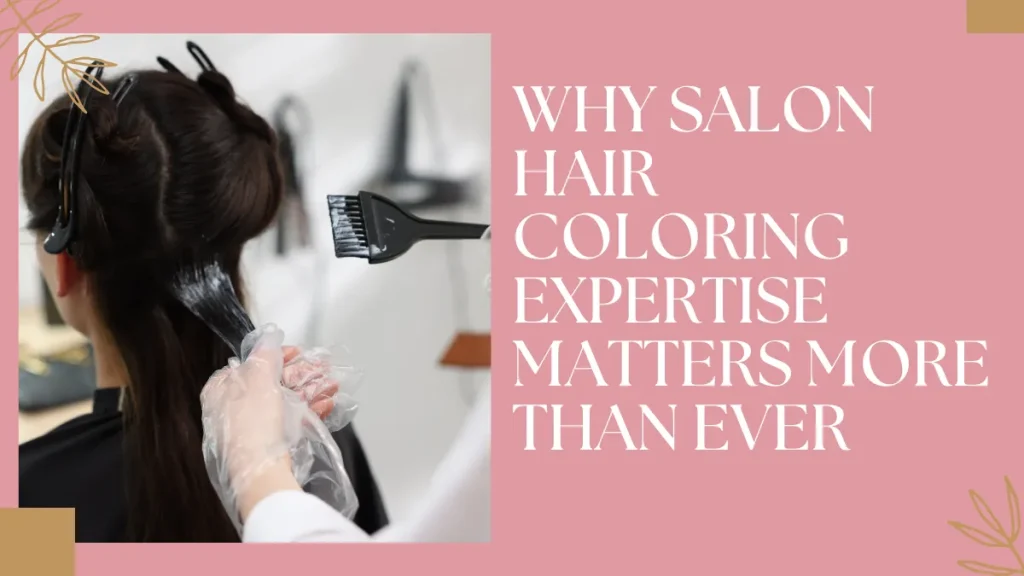
With at-home hair color kits widely available, professional salon hair coloring continues to stand out for its expertise and precision. While DIY kits offer convenience, they often lack the nuance needed to achieve a truly flattering and long-lasting result. Professional colorists understand how pigments interact with natural hair tones, ensuring that the final color complements skin undertones, enhances facial features, and grows out gracefully.
Salons also consider hair structure, texture, and porosity when applying color—factors that DIY kits simply cannot address. This expertise helps prevent damage, uneven tones, and undesired results, giving clients a healthier, more vibrant finish. By relying on skilled professionals, clients not only achieve beautiful hair color but also maintain the strength and integrity of their hair over time.
Trusted salons, often featured in guides like Best Salons in Abu Dhabi, focus on consultation, education, and long-term hair health. In modern hair coloring, strategy matters more than shade.
The Role of Social Platforms in Hair Color Inspiration
In today’s digital age, inspiration for hair color comes just as much from social media feeds as from personal recommendations. Platforms like Instagram and Facebook allow people to explore endless hair color ideas, from subtle highlights to bold balayage transformations. Clients often scroll through these platforms to find looks that resonate with their personal style, desired mood, or seasonal trends.
However, top salons use these visuals as reference points rather than strict instructions. Skilled colorists translate online inspiration into results that suit a client’s hair type, facial features, and lifestyle. This ensures that the final hair color looks natural, personalized, and wearable in real life, combining creativity with professional expertise for a flawless outcome.
Why Location Trust Still Influences Hair Color Decisions
Beyond visuals, reputation matters. Reviews, consistency, and location credibility influence hair color decisions.
Many clients check salons on Google Maps to understand reliability and quality before visiting. This blend of online proof and real-life experience continues to shape salon loyalty.
What is the most popular hair coloring trend in 2026?
The most popular hair coloring trend focuses on soft, low-maintenance shades. Techniques like balayage hair color and blended hair highlights grow naturally and reduce frequent salon visits.
Is permanent hair color still widely used?
Yes, permanent hair color remains essential. Modern techniques apply it strategically to maintain hair health while ensuring long-lasting, vibrant results.
How do salons use temporary hair color today?
Temporary hair color is used for tonal refreshes, seasonal updates, and testing ideas. It allows flexibility without long-term commitment and supports healthier hair dye services.
Why is salon hair coloring better than at-home dye?
Salon hair coloring offers expert formulation, precise application, and long-term planning. This reduces damage, uneven results, and fading common with at-home hair dye.
Are hair highlights still fashionable?
Yes, hair highlights remain stylish, but now emphasize subtle blending and natural light reflection instead of bold contrast.
How do salons choose the right hair color for a client?
Salons assess skin tone, lifestyle, hair condition, and maintenance preference to ensure hair color services are natural, wearable, and aligned with the client’s identity.