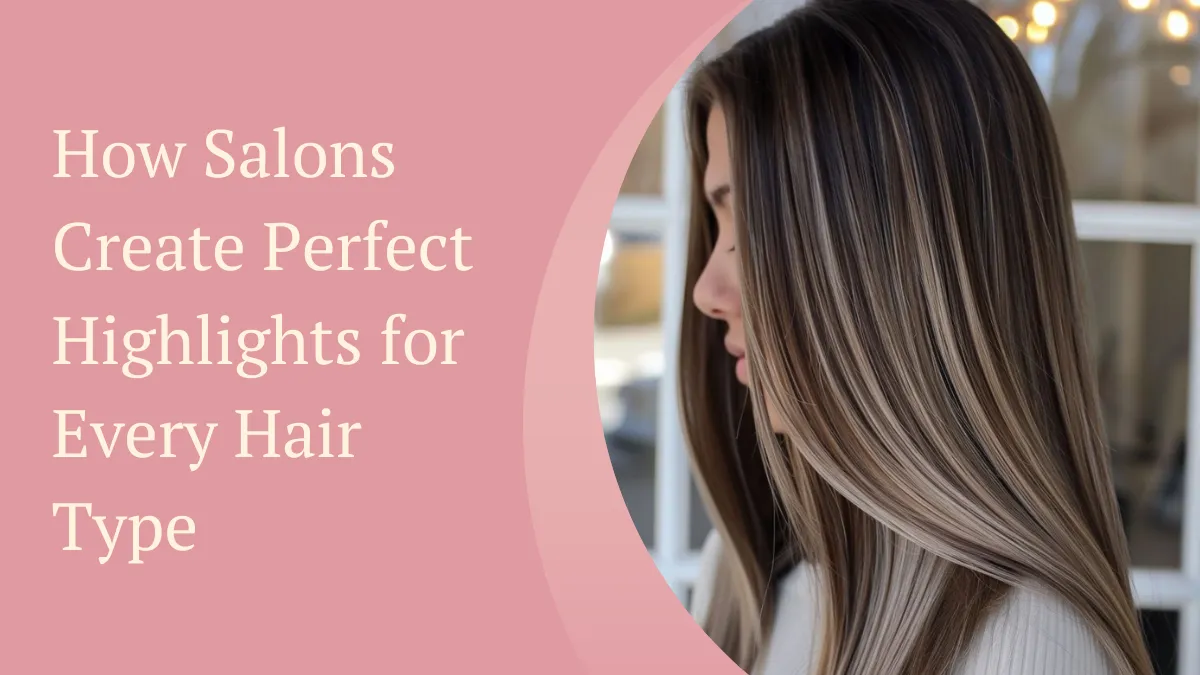
Table of Contents
There’s something quietly powerful about great highlights. The right placement can soften a face, add movement, and make hair feel alive again. That’s why highlight hair coloring is never just about adding lighter strands—it’s about understanding texture, tone, and personality. Before diving deeper, it helps to know how professional color philosophy works, which is explored in depth in this hair coloring expertise guide.
From fine straight hair to dense curls, salons rely on experience, intuition, and proven methods to customize highlights for every hair type—without forcing a one-size-fits-all result.
Why Hair Type Changes Everything in Highlighting
No two heads of hair behave the same way under color. Thickness, porosity, curl pattern, and natural pigment all affect how light reflects once color is applied. This is why professional hair highlights look effortless while DIY attempts often feel flat or uneven.
Stylists begin by assessing:
- Natural base color and undertone
- Hair density and elasticity
- Previous color history
- Lifestyle and maintenance comfort
These factors guide which hair highlighting techniques will create depth instead of damage. A client with fine hair may need softer contrast, while thicker hair can hold bold dimension without looking harsh.
Highlight Hair Coloring Techniques Salons Choose (and Why)
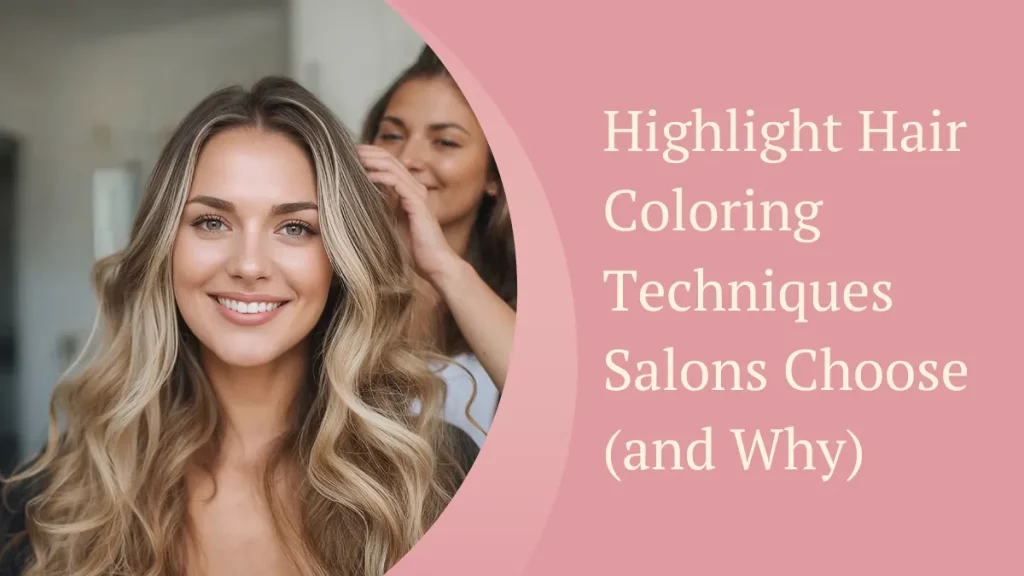
Every salon has tools, but expert stylists know when to use them. The method matters just as much as the shade.
Balayage for Soft, Natural Movement
Balayage hair color is hand-painted, allowing highlights to melt naturally into the base. This works beautifully for:
- Wavy or curly textures
- Clients wanting low-maintenance brightness
- Natural hair highlights with sun-kissed flow
Because the lightener isn’t applied from root to tip, the grow-out feels intentional—not rushed.
Foil Highlights for Precision and Lift
Foils allow controlled lift and consistent saturation. Salons often use this technique for:
- Blonde hair highlights need brightness
- Full highlights that require even distribution
- Highlights for dark hair where a stronger lift is needed
Foils are especially effective when the goal is a visible contrast with clean definition.
Highlights for Fine, Medium, and Thick Hair Types
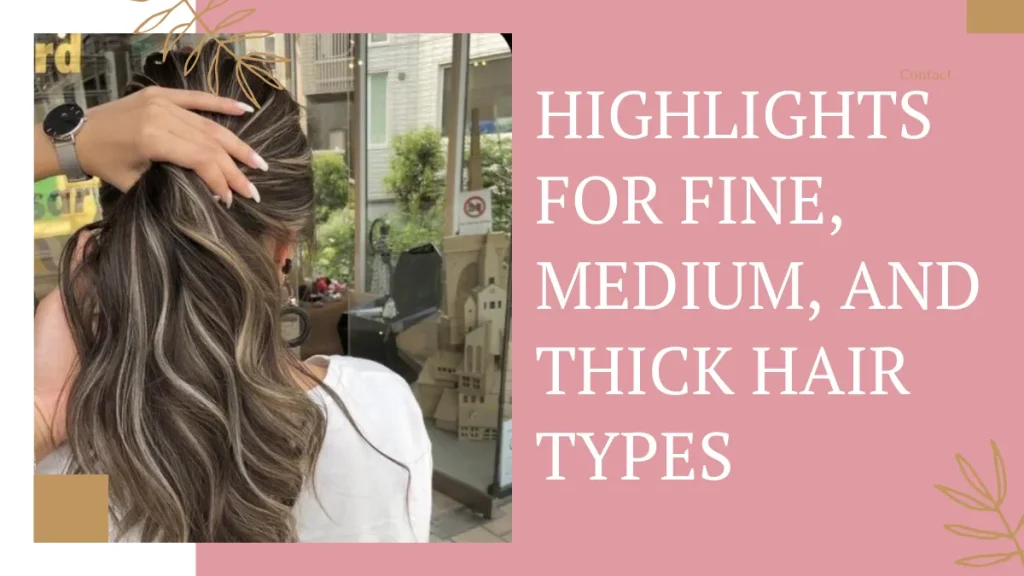
Fine Hair: Creating the Illusion of Volume
Fine hair benefits from strategic spacing. Too many highlights can make hair look thinner, so stylists focus on:
- Micro-highlights near the crown
- Dimensional hair color using close-toned shades
- Partial highlights instead of full saturation
This keeps movement natural while adding lift.
Medium Density Hair: Balanced Dimension
Medium hair types are versatile. Salons often combine techniques—balayage with foils—to build multi-tone hair color without overloading strands. This is where hair coloring services truly feel customized.
Thick Hair: Depth Without Weight
Thicker hair can carry a stronger contrast. Stylists layer blonde highlights, brown hair highlights, or neutral tones to avoid blocky colour. Placement is staggered to maintain softness, even with bold shades.
Midway through a transformation journey, many clients explore broader beauty service options to support hair health and tone longevity.
Matching Highlights to Natural Hair Color
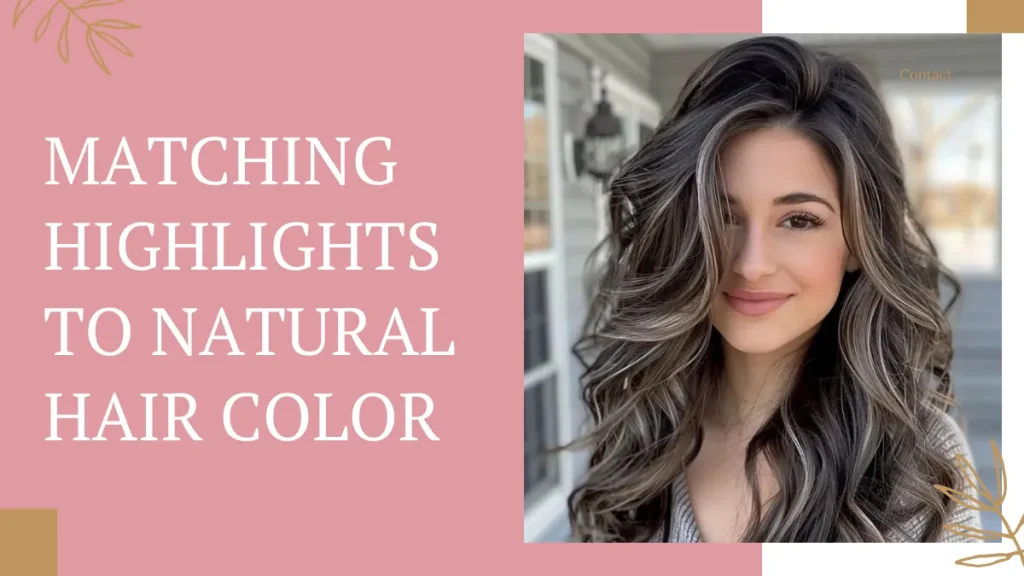
Great highlights don’t fight the base—they enhance it.
Blonde Bases
Blonde hair highlights work best when layered with warm and cool variations. Salons avoid over-lifting by using creamy, reflective tones that keep hair luminous instead of pale.
Brunette and Dark Hair
Highlights for dark hair require careful lifting to avoid brassiness. Stylists often pre-tone strands before applying the final color, ensuring brown hair highlights look rich and intentional.
Previously Colored Hair
Professional hair coloring always considers what’s already there. Old pigment, box dye, or faded tones change how new highlights behave, which is why salons rarely rush this step.
How Face Shape and Lifestyle Influence Highlight Placement
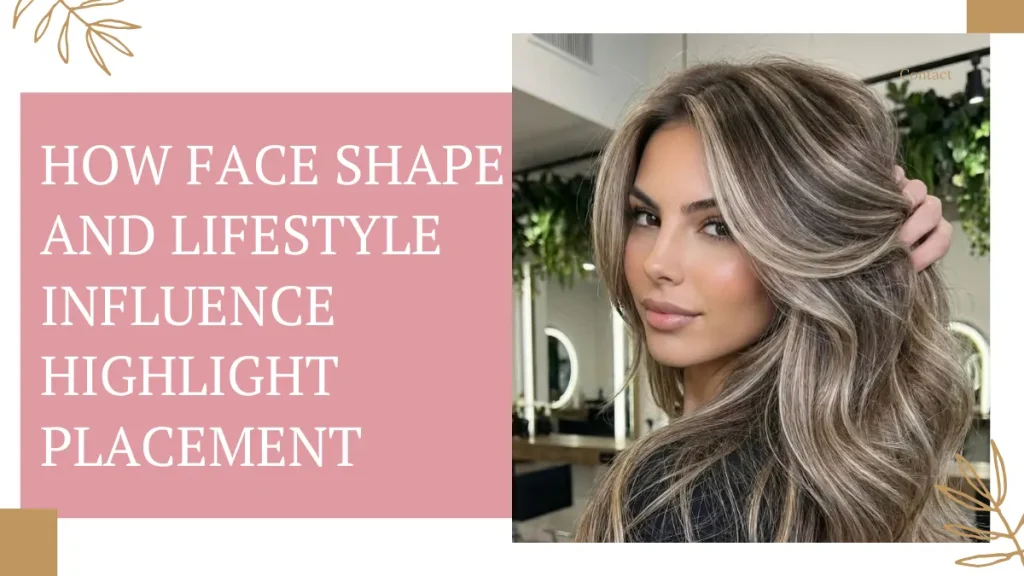
Hair doesn’t exist in isolation—it frames a face and fits into daily life. That’s why professional hair highlights are placed differently depending on goals.
Stylists may:
- Brighten around the face to soften features
- Add depth underneath for fuller movement
- Concentrate light where hair naturally parts
Someone who wears hair tied up often needs highlights placed differently than someone who styles it loose daily. This personalization is what separates salon highlights from generic coloring.
The Role of Consultation in Professional Hair Highlights
The most important step happens before any color touches the hair. During consultation, stylists translate vague desires like “natural” or “brighter” into realistic outcomes using hair highlighting techniques that fit the client—not trends alone.
Maintaining Highlights Without Losing Dimension
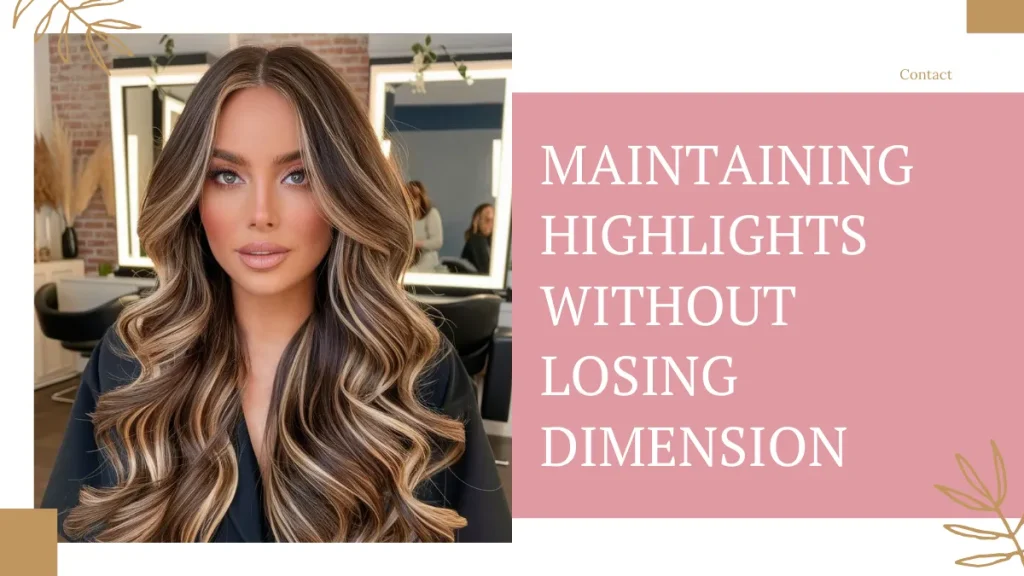
Highlights should evolve gracefully. Salons educate clients on:
- Color-safe cleansing
- Purple or blue toning when needed
- Heat management to protect brightness
Natural hair highlights, especially balayage, are designed to fade softly, maintaining dimension even months later.
For ongoing inspiration and real-world transformations, many clients casually follow salon work on platforms like Facebook and Instagram to understand how highlights age over time.
Why Location and Environment Matter in Hair Coloring
Climate, water quality, and sun exposure affect how highlights hold tone. In warmer regions, stylists often adjust formulas to prevent warmth from creeping in too quickly. This awareness is part of professional hair coloring, not an afterthought.
If you’ve ever noticed your highlights changing faster than expected, environment—not technique—is often the reason.
You can also see how real clients experience results and reviews through local listings like this one, which many people browse before choosing guidance.
Highlight Hair Coloring as a Personalized Art
At its best, highlight hair coloring feels invisible—like the hair was always meant to look that way. Salons blend science with instinct, ensuring highlights enhance texture, movement, and identity rather than overpowering them.
What is highlight hair coloring and how does it work?
Highlight hair coloring adds lighter tones to selected sections to create dimension and depth. Professional hair coloring techniques ensure highlights blend naturally with the base color, enhancing movement without overwhelming the hair’s natural texture.
Which hair highlighting techniques are best for natural results?
Balayage hair color and partial highlights are ideal for natural hair highlights. These techniques allow softer transitions and customized placement, making professional hair highlights look effortless rather than striped or harsh.
Are highlights suitable for all hair types?
Yes, highlights work on all hair types when adapted correctly. Stylists adjust hair highlighting techniques based on thickness, texture, and porosity to ensure even lift and long-lasting, healthy results.
How do salons choose the right highlight shade?
Salons consider skin tone, natural base color, and lifestyle. Blonde highlights, brown hair highlights, or neutral tones are selected to complement undertones while maintaining dimensional hair color.
Do highlights damage hair?
Professional hair coloring minimizes damage through controlled processing and conditioning treatments. When done correctly, salon highlights preserve hair strength while enhancing brightness and tone.