Damaged hair can be frustrating because it may still feel rough, weak, or difficult to manage after using expensive masks, oils, and conditioners. It may tangle immediately after washing, break during brushing, lose its natural movement, or become frizzy soon after styling.
The right hair repair treatment depends on what caused the damage and how seriously the strand has been affected. Hair weakened by bleaching may need a different approach from brittle hair caused by repeated heat styling. Frizzy hair may need structural repair, moisture or smoothing depending on whether the underlying issue is damage, dryness or natural texture.
At Aphrodite Beauty & Spa, professional options for damaged hair include Nashi Filler Therapy Repair, K18 Platinum Enhanced, L’Oréal Absolut Repair Professional, Purely Cysteine Protein and BK Ecosmetics Keratin. Each service has a different purpose, so the treatment should be selected after considering your hair history, current condition and desired result.
This guide explains what professional hair repair can realistically do, how to recognize damaged hair and which treatment may be most suitable for weak, bleached, brittle, frizzy or overprocessed strands.
What Does Hair Repair Really Mean?
Hair repair is professional care designed to improve the strength, softness, flexibility and manageability of weakened hair. Depending on the treatment, it may reduce breakage, improve smoothness and shine, make detangling easier and help the hair feel healthier.
However, severely split ends may still need trimming, while heavily bleached hair may require several repair sessions, balanced moisture and careful home care. The goal is to improve damaged hair gradually without placing extra stress on fragile strands.
How Does Hair Become Damaged?
Hair usually becomes damaged through repeated stress rather than one single event.
Bleaching and Highlighting
Lightening changes the hair so that pigment can be removed. Repeated or overlapping bleach may leave strands porous, weak, rough or prone to snapping.
Permanent Colouring
Colour-treated hair may gradually lose softness and elasticity, particularly when colouring is repeated through already processed lengths.
Frequent Heat Styling
Regular straightening, curling and high-temperature blow-drying can leave the hair dry, brittle and more vulnerable to breakage.
Chemical Smoothing
Previous keratin, straightening, relaxing, perming or protein services can affect how the hair responds to future treatments. The complete chemical history should always be discussed with the stylist.
Tight Hairstyles and Rough Handling
Repeated pulling, aggressive brushing, tight ponytails and rough towel-drying can place unnecessary stress on weak strands.
Sun, Swimming and Environmental Exposure
Strong sunlight, chlorine, salt water, humidity and dry indoor air can make already damaged hair feel rougher and more difficult to manage.
Poor Treatment Balance
Hair may become stiff when it receives more protein than it needs or remain weak when moisture is used without addressing structural damage. Applying several intensive treatments too closely can also create an unbalanced result.
Signs Your Hair May Need Professional Repair
Hair damage often begins with small changes. Consider a professional consultation if your hair:
- breaks during brushing or styling;
- feels brittle, thin or rough at the ends;
- stretches too much when wet;
- tangles even after conditioning;
- changed texture after colouring or bleaching;
- has lost its natural curl or wave pattern;
- looks dull despite using shine products;
- became frizzier after a chemical treatment;
- feels weak rather than simply dry;
- develops split ends higher along the lengths;
- no longer holds a smooth blow-dry;
- still feels rough after conditioner.
These signs can have different causes, so a stylist should assess the hair before recommending protein, keratin or another repair treatment.
Dry Hair and Damaged Hair Are Not the Same
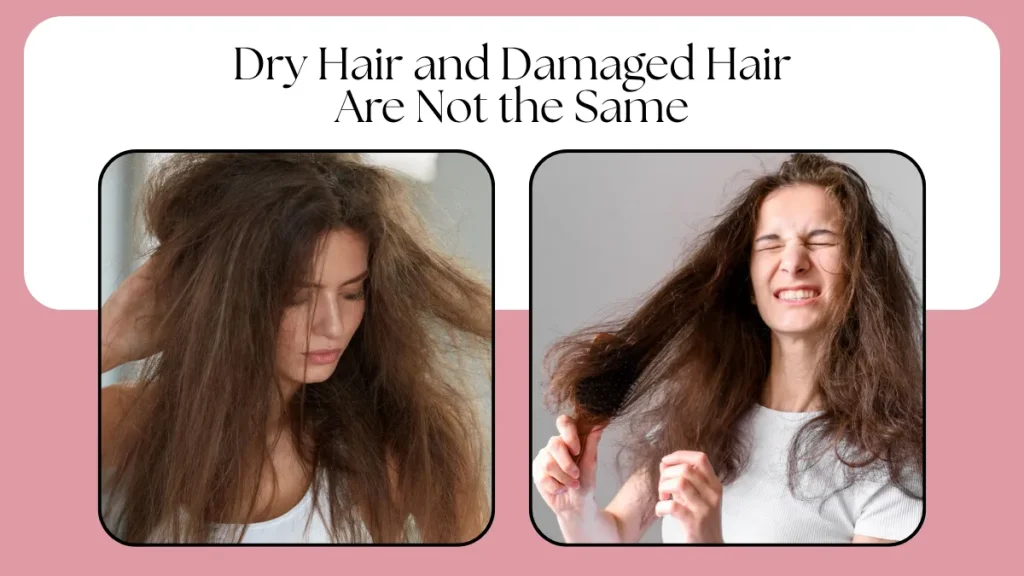
Dryness and damage can exist together, but they are not identical concerns.
Dry Hair
Dry hair mainly lacks moisture. It may feel dull, fluffy or slightly rough but still retain reasonable strength and elasticity.
Dry hair may respond well to:
- moisture treatments;
- nourishing masks;
- gentle cleansing;
- heat protection;
- conditioning oils or serums;
- reduced heat exposure.
Damaged Hair
Damaged hair has experienced a loss of strength or structural integrity. It may feel weak, stretchy, porous, brittle or prone to snapping.
Damaged hair may require:
- molecular repair;
- fibre-reconstruction treatment;
- controlled protein support;
- professional conditioning;
- careful heat management;
- strategic trimming.
Some women have dry, damaged hair and need both moisture and repair. This is why a professional hair repair salon should assess the strand rather than recommend a treatment from appearance alone.
What Level of Hair Damage Do You Have?
Mild Damage
Mildly damaged hair may show dullness, light roughness, occasional tangling or slightly dry ends. It may respond to a shorter repair treatment, improved home care and reduced heat styling.
Moderate Damage
Moderate damage may involve regular tangling, visible roughness, increased porosity, breakage and changes after repeated colouring or styling. A structured professional repair programme may be more suitable.
Severe Damage
Severely damaged hair may feel unusually stretchy when wet, snap easily, lose its normal curl pattern or become extremely fragile after heavy bleaching or repeated chemical treatments.
In this condition, repair should generally be prioritized before stronger smoothing. The stylist may also recommend trimming compromised ends and delaying further bleaching or chemical processing.
How a Hair Repair Salon Assesses Damaged Hair
A professional hair repair salon should begin with a proper consultation, not simply apply a mask and blow-dry. The stylist should assess:
- natural texture and curl pattern;
- strand thickness;
- dryness and porosity;
- elasticity, weakness and breakage;
- colouring, bleaching and chemical-treatment history;
- previous keratin or protein services;
- scalp condition;
- current home-care routine;
- desired finish and maintenance needs.
This matters because similar concerns can have different causes. Frizz may come from dryness, damage or natural texture, while weak hair may need repair rather than moisture alone. A proper assessment helps the stylist choose a treatment that suits the hair without making it heavy or causing further stress.
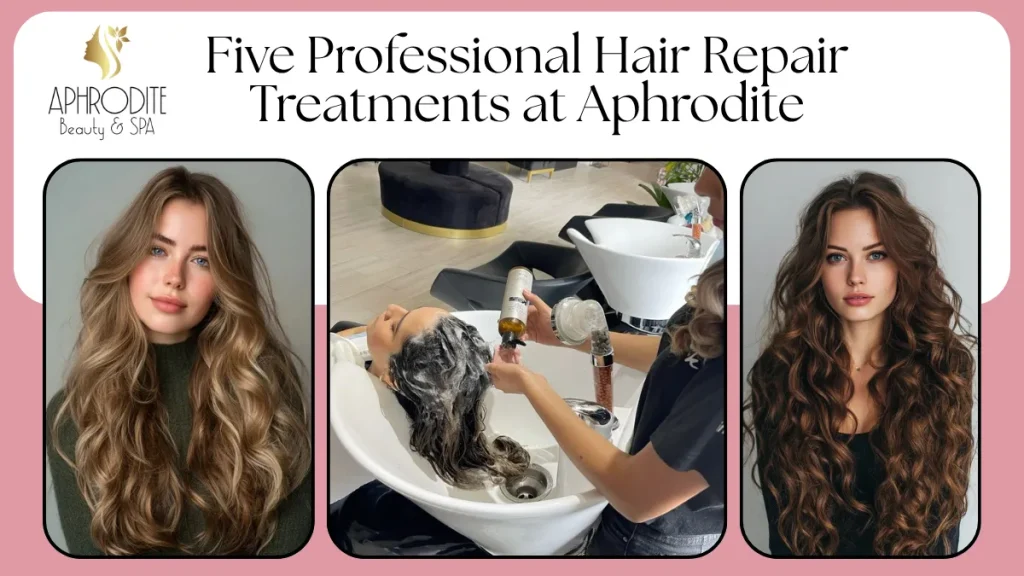
Five Professional Hair Repair Treatments at Aphrodite
1. Nashi Filler Therapy Repair
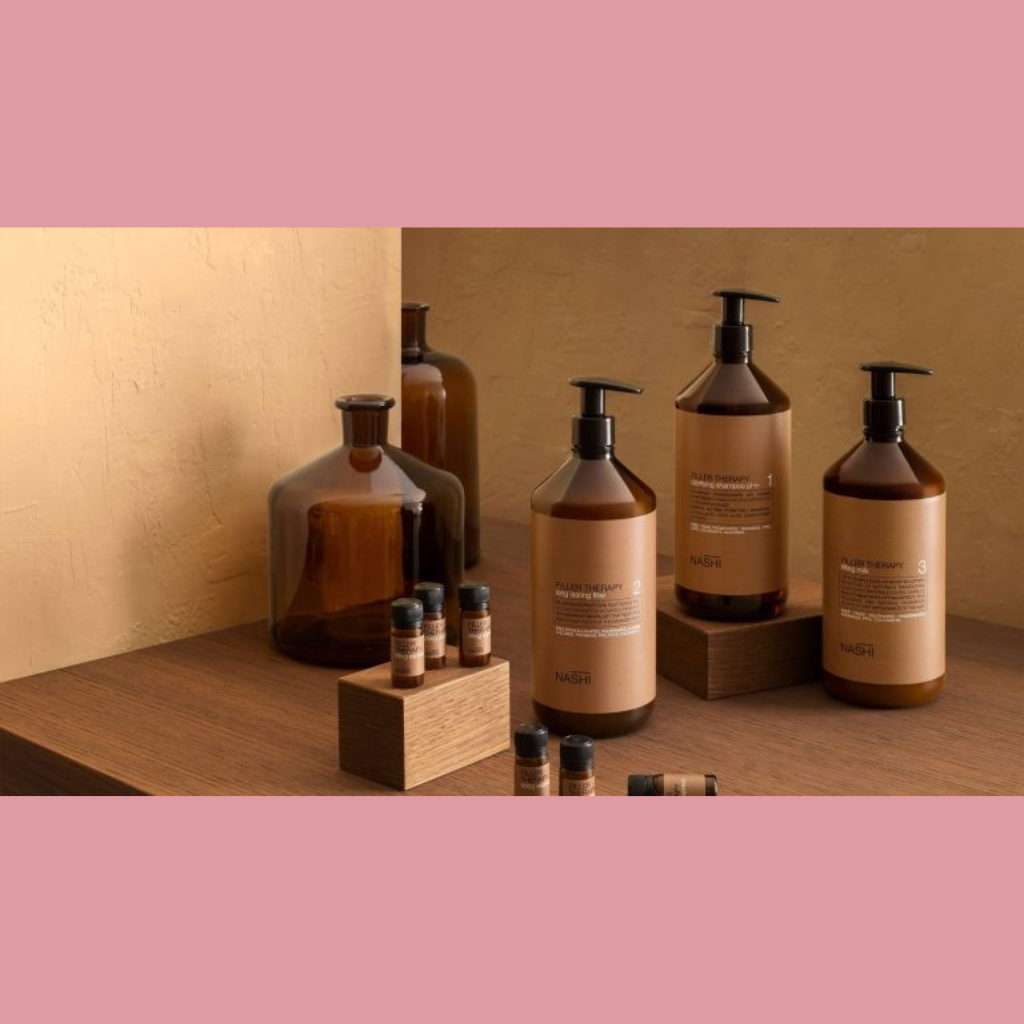
Listed price: AED 310
Nashi Filler Therapy Repair is a professional damaged hair treatment for weak, brittle and stressed strands. It focuses on restoring strength, elasticity, structure and a more compact feel within the hair fibre.
Aphrodite describes the treatment as reaching deeply into the hair and restructuring weakened capillary fibres so the hair appears healthier and feels more supported.
Main Benefits
Nashi Filler Therapy may help support:
- stronger-feeling strands;
- improved elasticity;
- reduced brittleness;
- smoother texture;
- better hair structure;
- improved manageability;
- healthier-looking lengths.
Who It Suits
This treatment may be suitable when:
- hair breaks during brushing;
- the ends feel brittle or fragile;
- repeated heat styling has affected the strands;
- the hair feels structurally weak;
- hydration alone no longer feels sufficient;
- you want repair without intentionally straightening the hair;
- the lengths have lost softness and flexibility.
When It Really Matters
Nashi Filler Therapy becomes important when hair needs more than surface conditioning. It can be a suitable direction for women whose hair feels stressed and fragile but who still want to preserve its natural texture.
2. K18 Platinum Enhanced

Listed price: AED 240
K18 Platinum Enhanced is Aphrodite’s six-step molecular hair repair treatment. Its professional system includes:
- K18 leave-in molecular repair mask;
- molecular repair hair oil;
- Peptide Prep detox shampoo;
- Damage Shield pH-protective shampoo;
- professional molecular repair mist;
- Peptide Prep professional chelating complex.
The service is positioned around restoring strength, softness, smoothness and bounce while addressing product, mineral and chemical buildup through its structured preparation stages.
Main Benefits
K18 hair treatment may support:
- bleach-damaged hair;
- colour-related weakness;
- chemical damage;
- heat-damaged strands;
- reduced elasticity;
- rough or porous texture;
- breakage-prone ends;
- loss of softness and natural movement.
Who It Suits
K18 Platinum Enhanced may be worth considering when:
- hair became fragile after bleaching;
- wet strands feel stretchy or weak;
- highlighted hair breaks easily;
- the texture changed after chemical processing;
- curls or waves have lost definition;
- hair remains rough despite regular conditioning;
- repair matters more than straightening.
When It Really Matters
K18 is especially relevant when frizz and roughness began after colouring, bleaching, or another chemical service. In this situation, the priority may be strengthening and improving the condition of the strand before choosing keratin or intensive smoothing.
3. L’Oréal Absolut Repair Professional
Listed price: AED 199
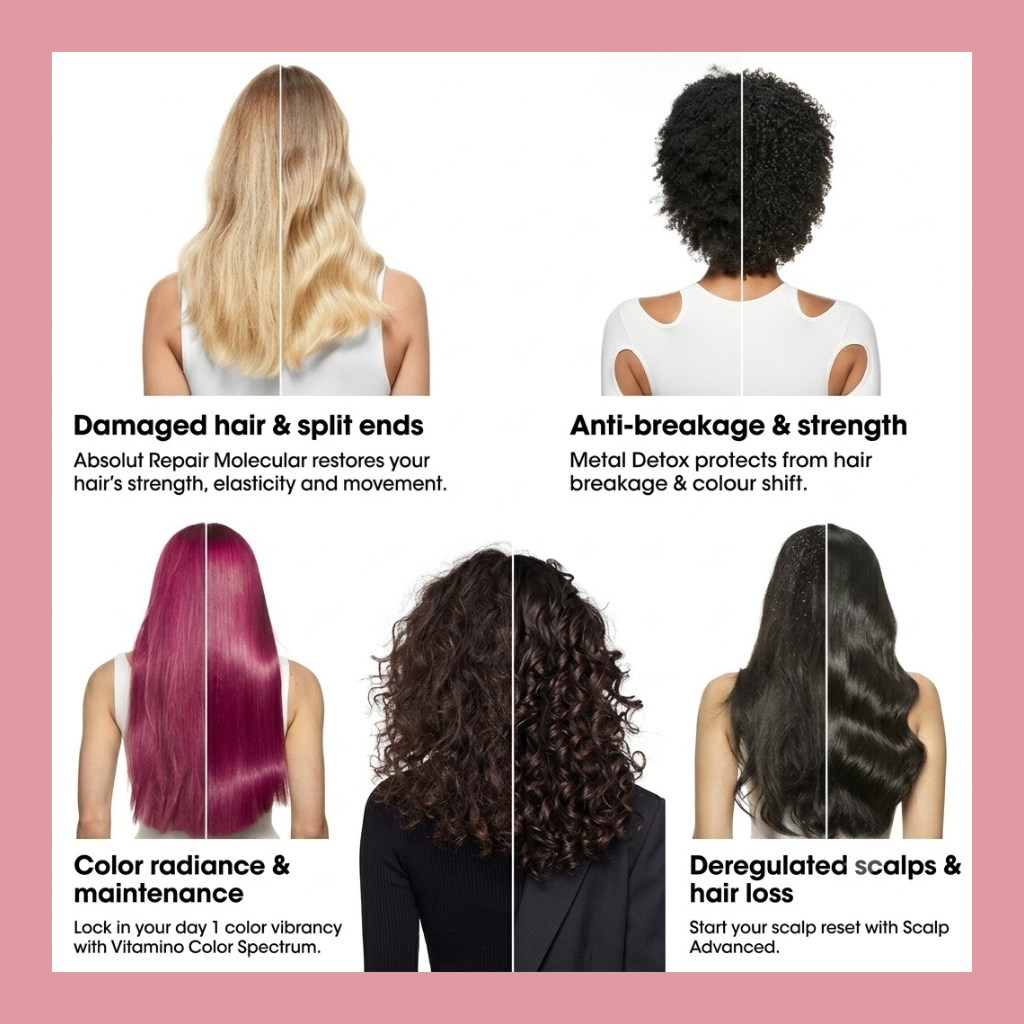
L’Oréal Absolut Repair Professional is a salon repair service for weakened, rough and overprocessed hair. It focuses on improving strength, elasticity, smoothness, movement, detangling and suppleness.
Aphrodite presents it as a professional option for deeper repair and an immediate improvement in how the hair feels and behaves.
Main Benefits
It may help hair feel:
- easier to detangle;
- softer;
- smoother;
- more flexible;
- less rough;
- more manageable;
- more naturally mobile.
Who It Suits
L’Oréal Absolut Repair may suit:
- colour-treated hair that feels rough;
- hair that tangles easily;
- weak or dry-looking ends;
- overprocessed lengths;
- breakage-related frizz;
- hair that lacks smooth movement;
- women wanting professional repair without a strong smoothing treatment.
When It Really Matters
This treatment is a useful option when hair needs softness, detangling and repair support but may not require a longer molecular or filler programme.
It can also be considered when everyday styling has become difficult because the hair feels rough and catches during brushing.
4. Purely Cysteine Protein
Listed price: starting from AED 700
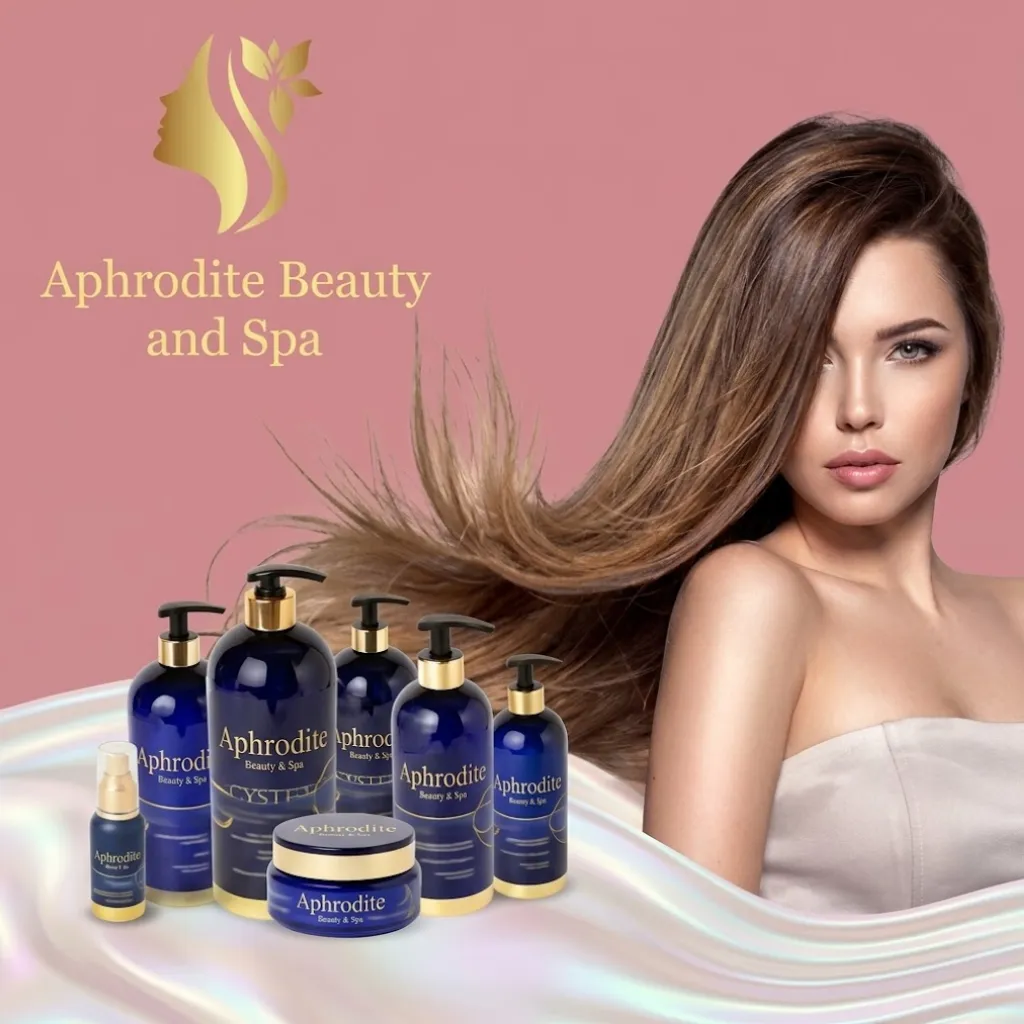
Purely Cysteine Protein is a professional protein treatment positioned around strength, nourishment, vitality, shine and frizz control.
Cysteine is an amino acid associated with the structure of hair. Aphrodite presents this treatment as helping repair and nourish damaged hair while creating a smoother and more manageable finish.
Main Benefits
Purely Cysteine Protein may support:
- stronger-feeling hair;
- reduced frizz;
- improved manageability;
- greater shine;
- softer-looking texture;
- smoother movement;
- a more polished finish.
Who It Suits
It may be considered when:
- weakened hair also feels frizzy;
- you want protein support with smoothness;
- your stylist confirms that the hair can benefit from protein;
- you prefer a softer finish rather than an extremely flat result;
- regular styling has affected strength and manageability;
- the hair needs nourishment as well as control.
When It Really Matters
This treatment sits between repair and smoothing. It may be useful when hair needs structural support, but the client also wants a more controlled finish.
Protein should not be selected automatically for every case of dryness. Hair that mainly lacks moisture may need hydration, while severely compromised hair may need molecular or filler-style repair first. Protein treatment is generally aimed at weak or damaged strands, whereas keratin is more commonly selected for stronger frizz control and easier styling.
5. BK Ecosmetics Keratin
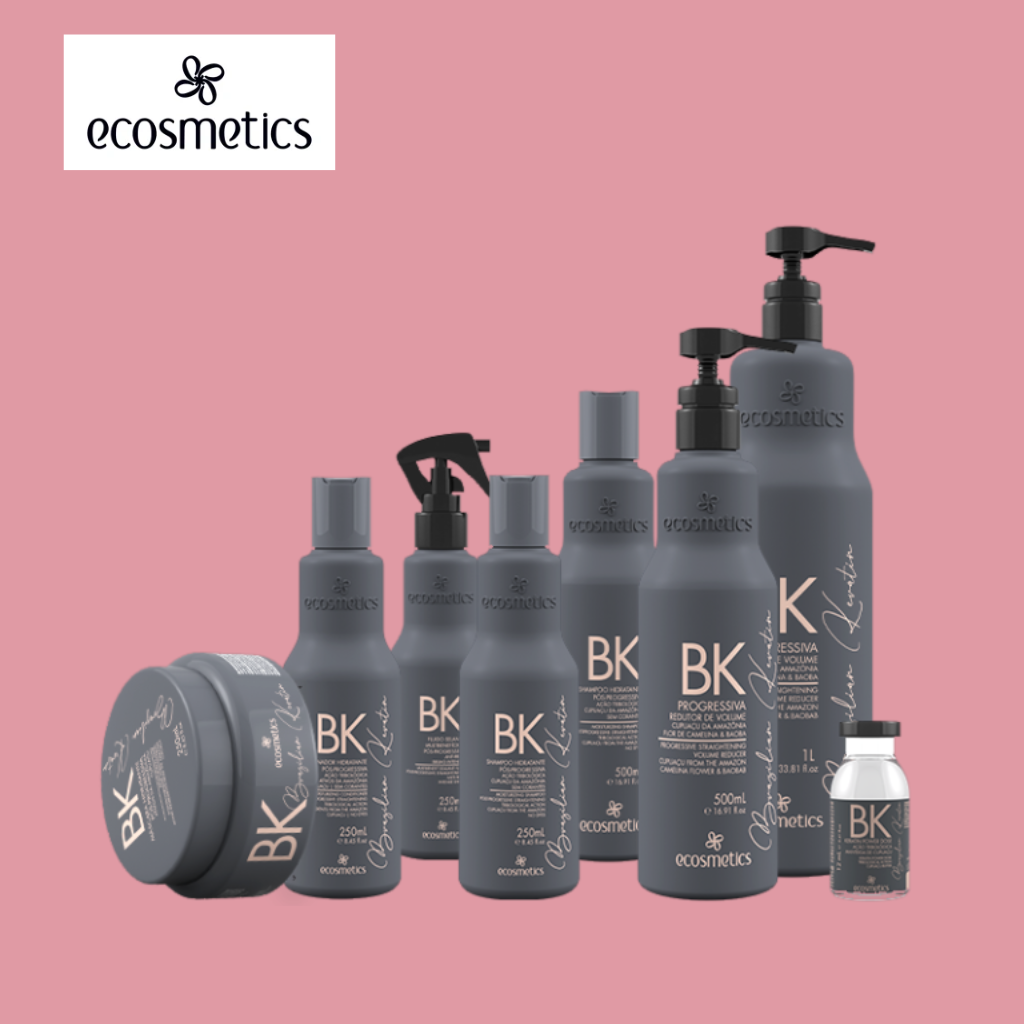
Listed price: starting from AED 600
BK Ecosmetics Keratin is a professional smoothing treatment designed to nourish hair, control frizz and create a softer, shinier and more manageable finish.
Although the service is described as supporting damaged hair, its strongest role within a treatment plan is smoothing and frizz control rather than being the first option for severely fragile strands.
Main Benefits
BK Ecosmetics Keratin may support:
- smoother texture;
- reduced puffiness;
- frizz control;
- greater softness;
- visible shine;
- easier blow-drying;
- longer-lasting manageability.
Who It Suits
It may be suitable when:
- hair is rough and strongly frizzy;
- humidity causes significant puffiness;
- the texture is thick or difficult to manage;
- the hair is suitable for professional smoothing;
- daily styling takes too much time;
- a polished, controlled finish is the main goal.
When It Really Matters
BK Keratin is most relevant when the hair has enough strength for smoothing and frizz control is the main concern.
Hair that is severely bleached, stretchy or actively breaking may need K18, Nashi Filler Therapy or L’Oréal Absolut Repair before a stronger keratin service is considered.
Quick Hair Repair Treatment Comparison
| Hair Condition | Treatment to Consider | Main Purpose | Listed Price |
| Brittle, weak or stressed hair | Nashi Filler Therapy Repair | Strength, elasticity and fibre support | AED 310 |
| Bleach, colour or chemical damage | K18 Platinum Enhanced | Molecular repair and improved resilience | AED 240 |
| Rough, tangled or overprocessed hair | L’Oréal Absolut Repair | Softness, detangling and movement | AED 199 |
| Weak hair needing softer smoothing | Purely Cysteine Protein | Protein support, strength and frizz control | From AED 700 |
| Strong frizz and difficult texture | BK Ecosmetics Keratin | Smoothing, shine and manageability | From AED 600 |
The prices and service descriptions above are taken from Aphrodite’s current hair-treatment menu. Final pricing should be confirmed during booking because it may depend on the treatment, hair length, thickness and current salon terms.
Which Hair Repair Treatment Is Best After Bleaching?
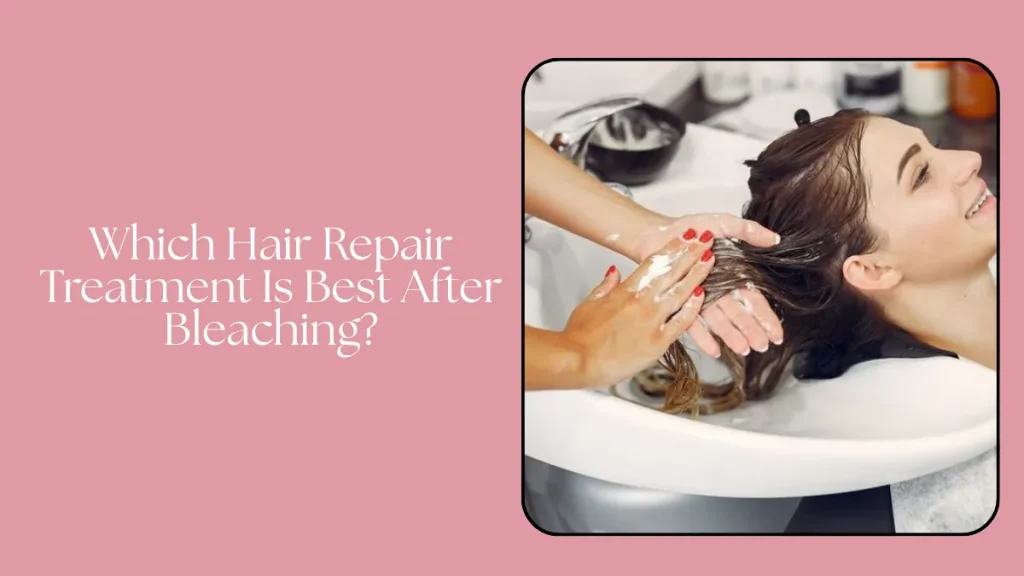
Bleached hair often needs repair because lightening can leave the strands weak, porous, rough or prone to breakage.
K18 Platinum Enhanced may be a suitable starting point when:
- the hair feels stretchy when wet;
- strands break after highlights;
- the texture became rough after bleaching;
- curls have lost their normal pattern;
- the ends feel fragile;
- the hair needs repair before further colour work.
Nashi Filler Therapy may be more suitable when brittleness, weakness and lost elasticity are the main concerns. L’Oréal Absolut Repair may help when bleached hair mainly feels rough, tangled and difficult to manage.
Not every case of bleach damage should immediately be followed by keratin. A stylist should first assess whether the strand has enough strength for a smoothing service.
Which Treatment Is Best for Hair Breakage?
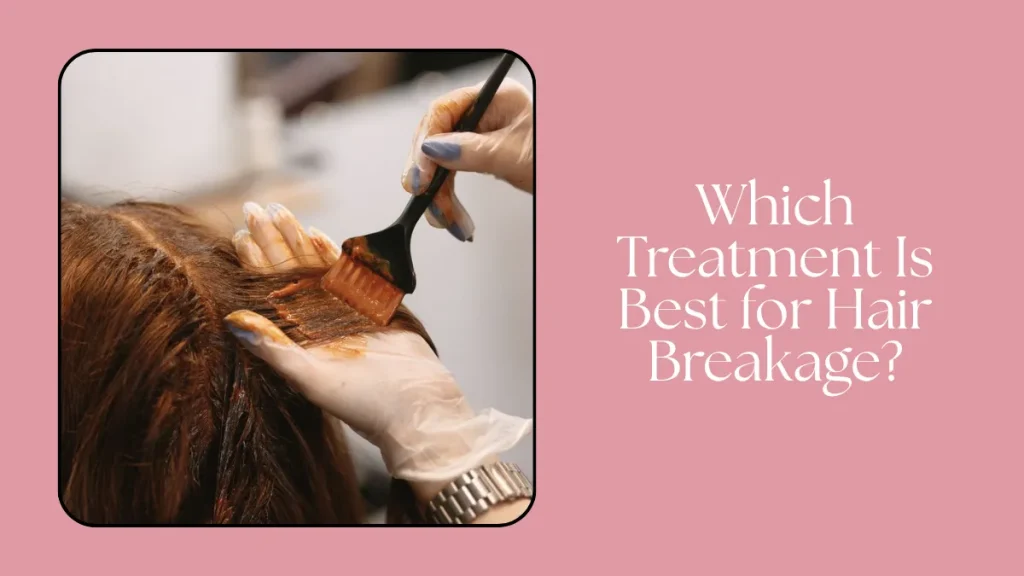
Hair breakage can result from bleaching, chemical processing, high heat, rough brushing, tight styling or weakened ends.
Consider Nashi Filler Therapy when:
The hair feels brittle, stressed and structurally weak.
Consider K18 when:
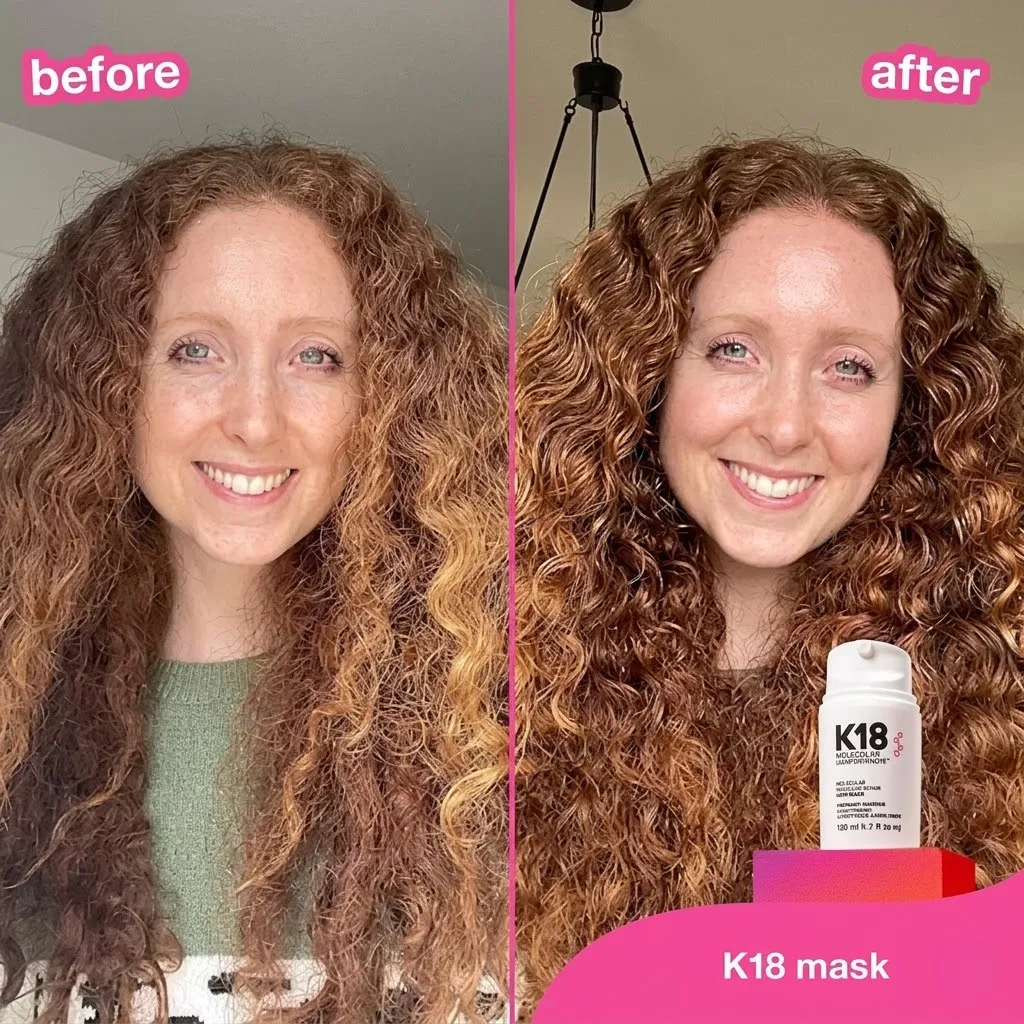
Breakage began after bleaching, colouring or other chemical processing.
Consider L’Oréal Absolut Repair when:
The hair tangles, feels rough and breaks during everyday grooming.
A professional should also consider whether the breakage is happening along the hair shaft or whether the concern is shedding from the root. These are not the same problem and may require different care.
Which Hair Repair Treatment Is Best for Frizzy Hair?
Frizz does not always mean damage.
Some women have naturally textured hair that expands in humidity. Others develop frizz after colouring, bleaching or excessive heat because the strand becomes rough and porous. Dryness can also cause a soft, fluffy type of frizz.
The correct treatment depends on the cause.
For damage-related frizz
K18, Nashi Filler Therapy or L’Oréal Absolut Repair may be the better first step.
For weak hair that also needs smoother control
Purely Cysteine Protein may provide strength with a softer smoothing effect.
For strong texture-related frizz
BK Ecosmetics Keratin may be considered when the hair is suitable for professional smoothing.
Aphrodite frizz guide explains that one treatment cannot suit every type of frizz because dryness, natural texture, chemical processing, weak bonds, and scalp imbalance can all affect the final appearance.
Protein Treatment vs Molecular Hair Repair
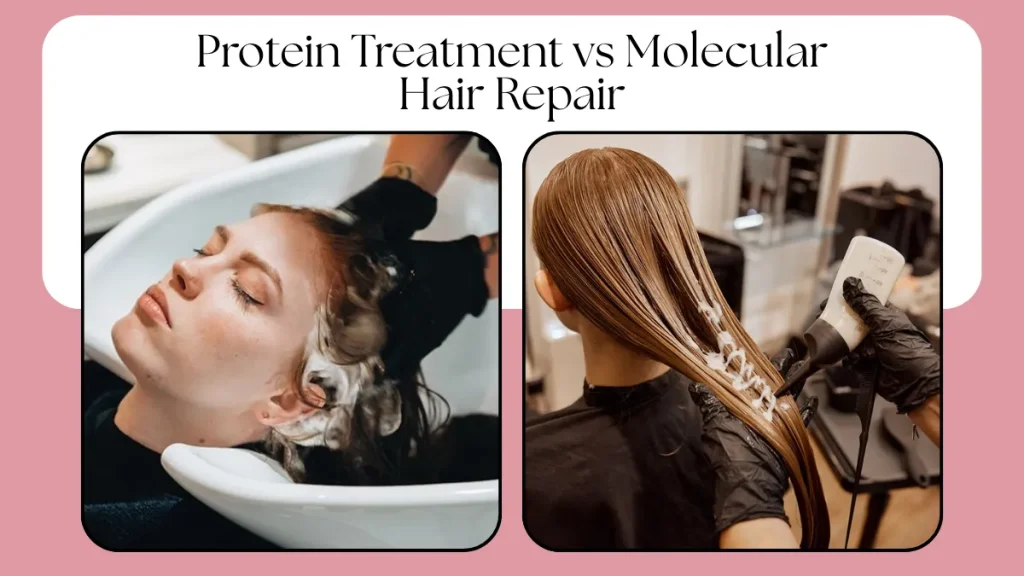
Protein and molecular repair treatments are often placed in the same category, but they are not necessarily identical.
Protein Treatment
A protein treatment such as Purely Cysteine Protein aims to support weak strands while also improving smoothness, shine and manageability.
It may suit hair that needs:
- strength;
- frizz control;
- smoother texture;
- a more polished finish.
Molecular Repair
K18 Platinum Enhanced is positioned as a molecular repair system for hair affected by colouring, bleach, chemical processing, heat and related damage.
It may be more relevant when:
- the hair feels stretchy;
- the normal texture has changed;
- breakage increased after bleaching;
- the strands feel structurally compromised;
- repair is more important than smoothing.
The best option depends on whether the priority is deeper damage support, general strengthening, or a combination of strength and frizz control.
Hair Repair vs Keratin Treatment
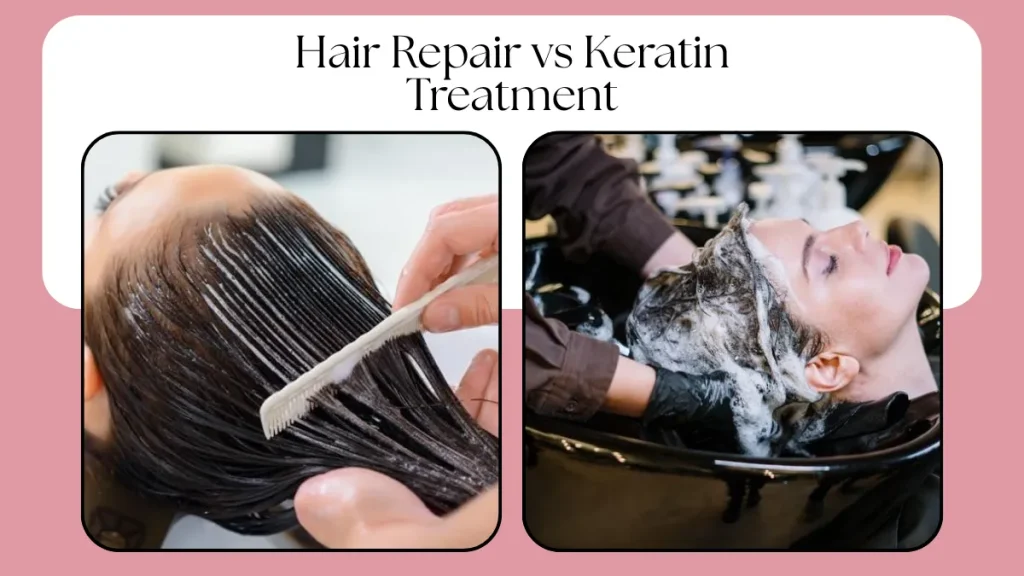
Hair repair and keratin smoothing solve different primary problems.
Hair repair focuses on:
- weakness;
- brittleness;
- reduced elasticity;
- chemical damage;
- breakage;
- roughness;
- difficult detangling.
Keratin treatment focuses on:
- frizz;
- puffiness;
- unruly texture;
- smoother appearance;
- easier styling;
- a straighter-looking finish.
Keratin may help the hair appear smoother, but it should not automatically replace repair when strands are actively breaking or severely weakened.
A responsible hair treatment salon should assess strength before recommending a strong smoothing service.
Can Hair Repair Fix Split Ends?
Professional hair repair can improve softness, smoothness and the appearance of damaged ends. It may also help reduce further rough handling by making the hair easier to detangle.
However, severely split ends generally need trimming. A salon treatment may temporarily make them appear smoother, but it cannot permanently return a divided strand to its original condition.
Removing compromised ends can make the overall hair look fuller and prevent continued splitting from making the lengths appear increasingly thin.
Salon Hair Repair vs Home Hair Masks
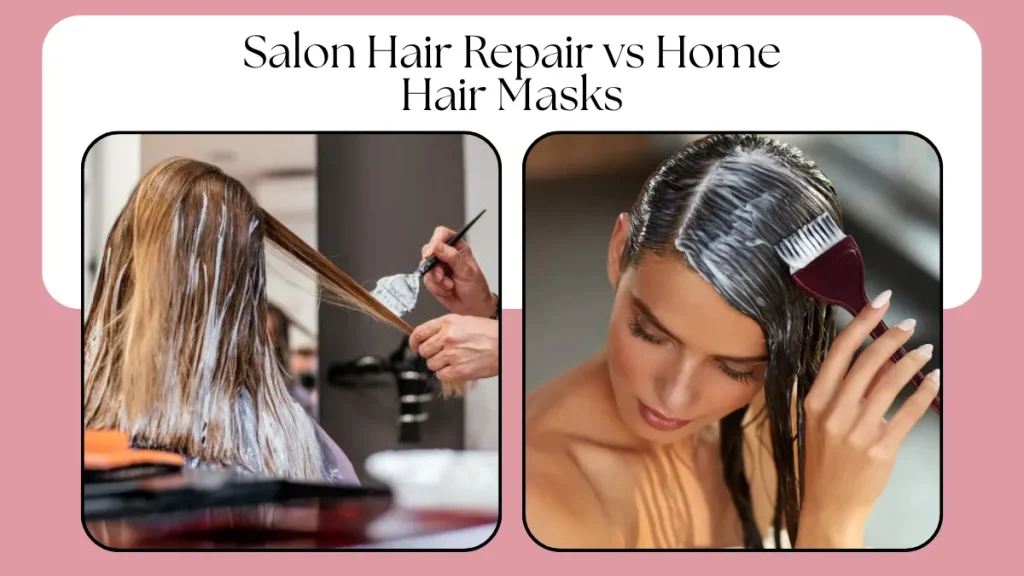
Home masks can be helpful, but they are not always a substitute for professional damaged hair treatment.
Home Hair Masks
At-home care may support:
- light dryness;
- regular conditioning;
- salon-result maintenance;
- softness between appointments;
- manageable hair with mild stress.
The main limitation is that it can be difficult to identify whether hair needs moisture, protein, or structural repair without assessment.
Professional Salon Repair
A hair repair salon provides:
- examination of the strand;
- chemical-history review;
- controlled professional formulas;
- treatment selected for the damage level;
- structured processing;
- appropriate finishing care;
- personalized aftercare guidance.
Repeatedly applying protein masks to hair that mainly needs moisture may leave the strands feeling stiff. Using only moisture on severely weakened hair may also fail to address breakage. Professional guidance helps create a better balance.
Hair Repair for Colour-Treated Hair
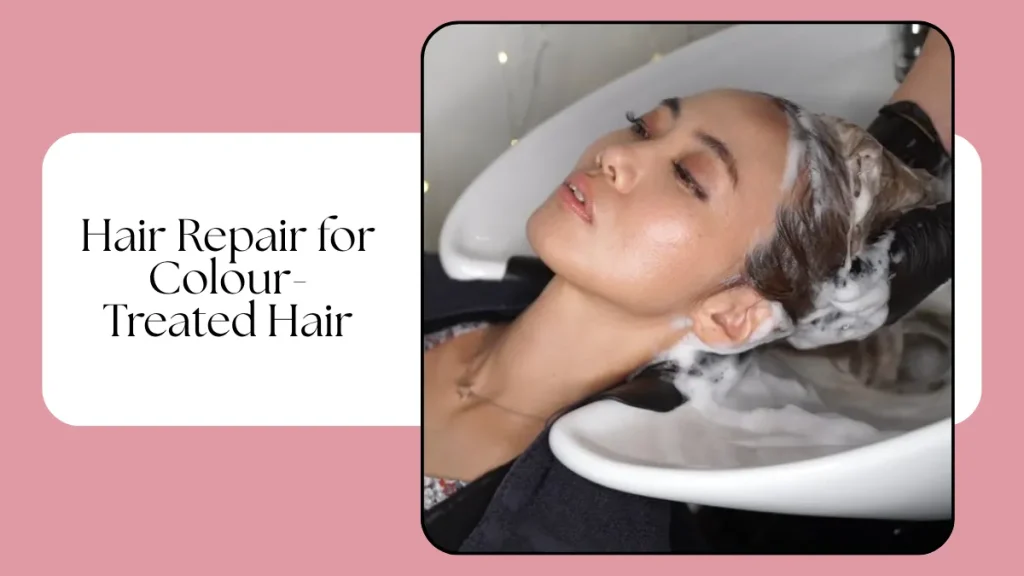
Colour-treated hair does not always need the same repair programme.
Hair coloured without bleach may mainly need softness and easier detangling. Highlighted or heavily lightened hair may require a more structured repair approach.
K18 may suit:
- bleach damage;
- weakened elasticity;
- chemical-processing stress;
- breakage after colour services.
Nashi Filler Therapy may suit:
- brittle coloured lengths;
- stressed ends;
- hair that needs strength and structure.
L’Oréal Absolut Repair may suit:
- rough coloured hair;
- tangling;
- reduced softness and movement;
- manageable levels of processing damage.
Tell your stylist when the colour service was completed and whether bleach was used. Do not hide previous keratin, relaxer, protein or straightening services, as this information affects treatment selection.
How Abu Dhabi Conditions Affect Damaged Hair
Abu Dhabi’s climate can make existing hair damage more noticeable. Hair frequently moves between outdoor heat and humidity and dry indoor air conditioning. Sun exposure, swimming, repeated blow-drying and colouring may further affect moisture, softness and manageability.
Humidity can make porous hair swell and appear frizzier, while strong sun and indoor air conditioning may contribute to dry-feeling lengths. The previously published Aphrodite frizz guide also identifies humidity, sunlight, air conditioning, heat styling, colouring, bleaching and buildup as common influences on local hair behaviour.
A professional treatment plan may therefore include more than repair alone. Depending on the hair, it may also require hydration, colour care, gentler heat styling and protection from chlorine or prolonged sun exposure.
What to Tell Your Stylist Before Hair Repair
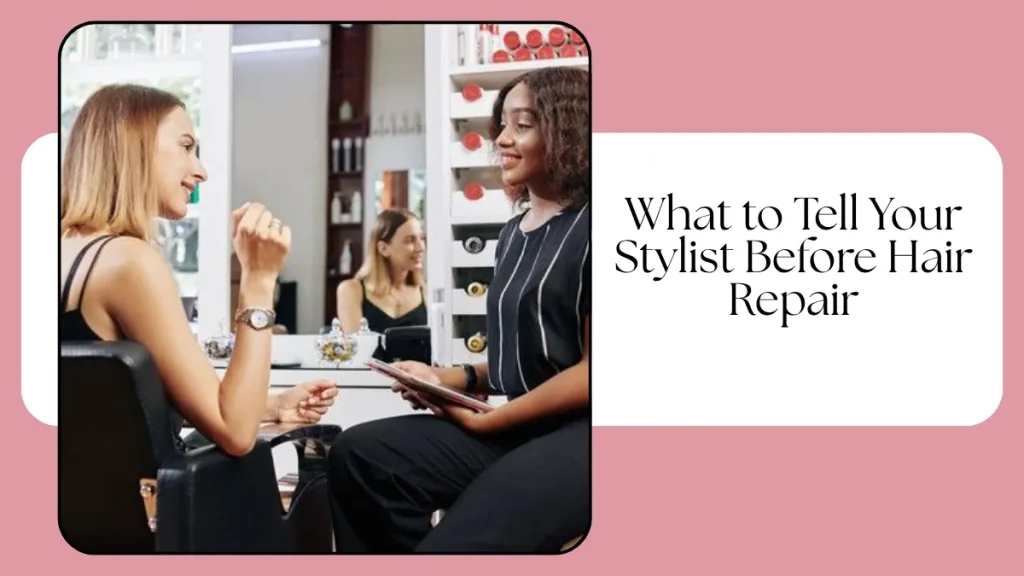
Share your full hair history before choosing a treatment. Mention previous bleaching, colouring, keratin, protein, cysteine, relaxers, perms or extensions. Also tell your stylist about scalp sensitivity, current breakage, allergies, medicated products, pregnancy and your usual styling routine.
Clear information helps the stylist choose a safer and more suitable treatment. Keep expectations realistic, as severely damaged hair may require more than one session and a repair treatment will not necessarily create the same result as professional straightening.
Hair Repair Aftercare
Aftercare depends on the treatment you receive. Use the shampoo and conditioner recommended by your stylist, follow the advised first-wash timing and apply heat protection before styling.
Avoid excessive heat, heavy product buildup, chlorine and prolonged sun exposure. Keep the lengths appropriately hydrated, trim severely split ends and avoid combining several intensive treatments too closely. After keratin, cysteine or protein treatment, follow the salon’s specific instructions rather than generic online advice.
Professional care works best when it is supported by gentle cleansing, conditioning, heat protection and consistent maintenance at home.
How Often Should You Book Hair Repair?
There is no single schedule for every hair type.
The appropriate frequency depends on:
- the severity of the damage;
- whether bleach or colour is still being applied;
- the selected treatment;
- washing frequency;
- heat-styling habits;
- hair length and texture;
- the condition of the ends;
- home-care quality.
Mildly stressed hair may only need occasional professional repair. Bleached or chemically processed hair may benefit from a planned series of treatments timed around colour appointments.
More treatment is not automatically better. Hair needs time to respond, and intensive protein, smoothing or reconstruction services should not be layered repeatedly without professional advice.
How to Choose a Professional Hair Repair Salon
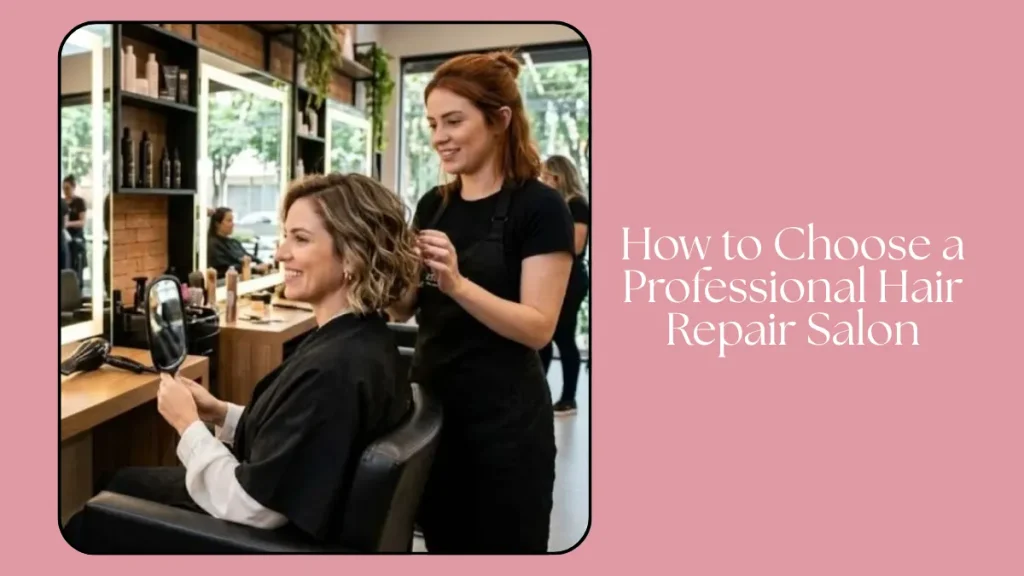
A reliable salon should help you understand your hair rather than immediately recommend the most expensive treatment.
Look for a salon that provides:
A Real Consultation
The stylist should ask about colour, bleach, heat styling, previous keratin and current breakage before recommending treatment.
More Than One Repair Option
Damage exists at different levels. A good menu should include choices for brittleness, chemical damage, roughness, protein support and smoothing.
Product Transparency
You should be able to ask which brand is being used, what the treatment does, and what aftercare is required.
Realistic Recommendations
Be cautious of promises that one appointment will permanently reverse severe bleach damage, repair every split end or stop medically significant hair loss.
Careful Treatment Sequencing
Fragile hair may need repair before keratin, further bleaching, or another intensive chemical service.
Clear Aftercare
The stylist should explain washing, heat protection, home products, and the appropriate time for any follow-up treatment.
Why Choose Aphrodite Beauty & Spa for Hair Repair?
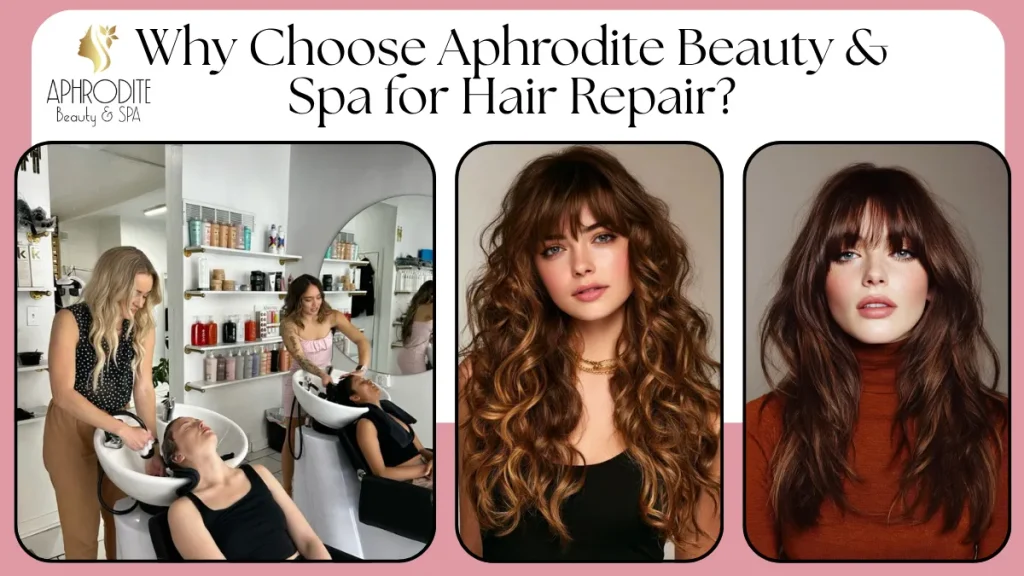
Aphrodite offers several professional treatments rather than using one service for every type of damaged hair.
Its focused hair repair options include:
- Nashi Filler Therapy Repair for brittle and stressed strands;
- K18 Platinum Enhanced for molecular damage support;
- L’Oréal Absolut Repair for rough and overprocessed hair;
- Purely Cysteine Protein for strength with smoother manageability;
- BK Ecosmetics Keratin for frizz control when the hair is suitable for smoothing.
This range allows the stylist to consider whether the hair needs repair, protein support, or controlled smoothing before recommending a treatment.
Aphrodite Beauty & Spa is located in Das Tower, Al Bateen, Abu Dhabi. Its website currently lists opening hours from Monday to Sunday, 11 AM to 10 PM.
Begin Your Hair Repair Journey
Damaged hair does not need the strongest treatment by default. It needs the treatment that matches the real cause of its weakness.
Choose K18 when chemical or bleach damage is the main concern. Consider Nashi Filler Therapy for brittle and stressed strands, or L’Oréal Absolut Repair when hair feels rough and difficult to detangle. Purely Cysteine Protein may suit weak hair that also needs softer control, while BK Keratin may be appropriate when frizz and manageability are the main priorities.
A professional consultation can turn a confusing list of treatments into a clear repair plan designed around your hair’s history, texture and current condition.
So, email us: Aphrodite.beautyad@gmail.com.
Message us on Facebook:
https://www.facebook.com/people/Aphrodite-Beauty-SPA/61562796173809
Follow us on Instagram:
https://www.instagram.com/aphrodite_beautyad
Phone/WhatsApp: +971501422116
Hours: Monday to Sunday, 11 AM to 10 PM
Location: Das Tower – Sultan Bin Zayed Street – 9th floor – 903 32nd Street – Al Bateen – Abu Dhabi – United Arab Emirates
Note: Read Our Latest Blogs Also.
- Massage Center Abu Dhabi: A Complete Guide to Treatments, Prices and Home Service
- Best Hair Treatment for Frizzy Hair Abu Dhabi: A Complete Guide to Smoother, Softer Hair
- Manicure and Pedicure Before Wedding: Your Complete Abu Dhabi Bridal Nail Guide
- Makeup Trends Abu Dhabi 2026: Luxury Looks, Hair Styles, and Beauty Ideas for Abu Dhabi Women
- Henna Art in Abu Dhabi: 25 Beautiful Styles and How to Choose Yours
- Facial Treatments in Abu Dhabi: Types, Benefits, and How to Choose the Right One
- Hair Treatment Salon in Abu Dhabi: How to Choose the Best Treatment for Your Hair
- Protein Treatment for Hair: The Best Way to Strengthen Damaged Hair in Abu Dhabi
- Korean Head Spa in Abu Dhabi: Benefits, Treatment Types and Prices
- Keratin Treatment: Get Low-Maintenance Smooth Hair
What is the best treatment for damaged hair?
The best damaged hair treatment depends on the cause and severity. K18 may suit bleach or chemical damage, Nashi Filler Therapy may suit brittle and stressed hair, and L’Oréal Absolut Repair may suit rough, tangled or overprocessed lengths.
Can damaged hair be completely repaired?
Professional hair repair can improve strength, elasticity, softness, smoothness and manageability. However, severely split or heavily compromised ends may still require trimming, and significant chemical damage may need gradual care rather than one appointment.
Which hair repair treatment is best after bleaching?
K18 Platinum Enhanced may be a suitable option when hair feels weak, stretchy, or breakage-prone after bleaching. Nashi Filler Therapy and L’Oréal Absolut Repair may also be considered depending on the hair’s condition.
Is K18 better than a protein treatment?
Neither is universally better. K18 is intended for molecular repair, particularly after chemical or colour damage. Protein treatment may suit weakened hair that needs strength and smoother manageability. A stylist should determine which need is more important.
Which treatment is best for hair breakage?
Nashi Filler Therapy may suit brittle strands, K18 may suit chemically damaged hair, and L’Oréal Absolut Repair may help when roughness and tangling contribute to everyday breakage.
Is keratin a hair repair treatment?
Keratin may improve smoothness, shine and manageability, but its primary salon purpose is generally frizz control. Severely weak or breaking hair may need repair before a strong smoothing service.
How often should I book professional hair repair?
Frequency depends on the treatment, damage level, chemical history, and home routine. Your stylist should recommend a schedule after assessing the condition of your hair rather than applying one timetable to everyone.
How do I choose a hair repair salon in Abu Dhabi?
Choose a salon that reviews your chemical history, assesses strength and elasticity, offers several repair options, explains its products, sets realistic expectations, and provides clear aftercare guidance.
[…] Hair Repair in Abu Dhabi: Best Treatments for Damaged, Weak and Breaking Hair […]